

Import a JDM Vehicle
The paperwork-first guide to buying in Japan, clearing U.S. Customs, and building a title packet that survives the county counter.
Age is the gate.
For the common enthusiast route, the car must be at least 25 years old from its actual date of manufacture when it enters the United States—not simply “a 25-year-old model year.”
Establish the build date before purchase and keep evidence in the file: a manufacturer plate, first-registration record, export certificate, invoice, or other credible age documentation. NHTSA says the 25-year period runs from the manufacture date.
DOT / NHTSA
A vehicle 25 or more years old generally enters under Box 1 of Form HS-7 without regard to FMVSS compliance.
EPA
EPA uses a separate 21-year framework. The age exclusion depends on the vehicle remaining in original, unmodified configuration; engine changes can break the easy route.
Customs / CBP
Age exemptions do not replace Customs entry. You still need ownership evidence, the federal declarations, entry processing, and proof of release.
Seven clean handoffs.
The easiest import is a chain of documents that all tell the same story: same owner, same chassis number, same purchase price, same car.
Qualify the exact car
Confirm build date, original engine/configuration, chassis number, and eligibility before money moves. JDM chassis numbers may not be 17 characters; copy them exactly.
Buy with titleability in mind
Get a signed bill of sale and the original Japanese ownership/export document. Make, model, year, chassis number, buyer, seller, price, and date should agree across every document.
Book export and ocean freight
Choose roll-on/roll-off or container service, confirm port fees and storage rules, and retain the bill of lading and arrival notice. Ask who is filing the Customs entry.
Prepare federal declarations
Complete DOT Form HS-7 and EPA Form 3520-1 using the eligibility basis that actually applies. Do not copy a box or code from somebody else’s import.
Clear CBP
Present ownership, shipping, DOT, EPA, and entry documents; pay assessed duty and fees. Preserve the signed/stamped release and CBP Form 7501 Entry Summary.
Inspect and reconcile
Before leaving the port, photograph the car and chassis marking. Compare every digit on the vehicle with the export certificate, bill of sale, HS-7, EPA form, and Customs entry.
Build the state title packet
Follow the state and county process for VIN inspection, title application, translations, tax, and odometer documents. Bring originals plus organized copies.
Keep every page.
Make a digital scan as soon as each original reaches you. Port paperwork is much harder to reconstruct after the car is home.
Before shipping
- Bill of sale / invoice
- Original export or registration certificate
- Certified translation, if requested
- Build-date evidence
- Engine and chassis photos
Federal / port
- Bill of lading / arrival notice
- DOT Form HS-7
- EPA Form 3520-1
- CBP Form 7501 / release
- Duty and port-fee receipts
State title
- Foreign ownership original
- VIN inspection certificate
- State title application
- Odometer form if applicable/requested
- Statement of fact / correction support
Small car. Big trip.
The forms are dry. The payoff is not. An age-eligible Beat is exactly the kind of strange, joyful machine the 25-year rule opens up.
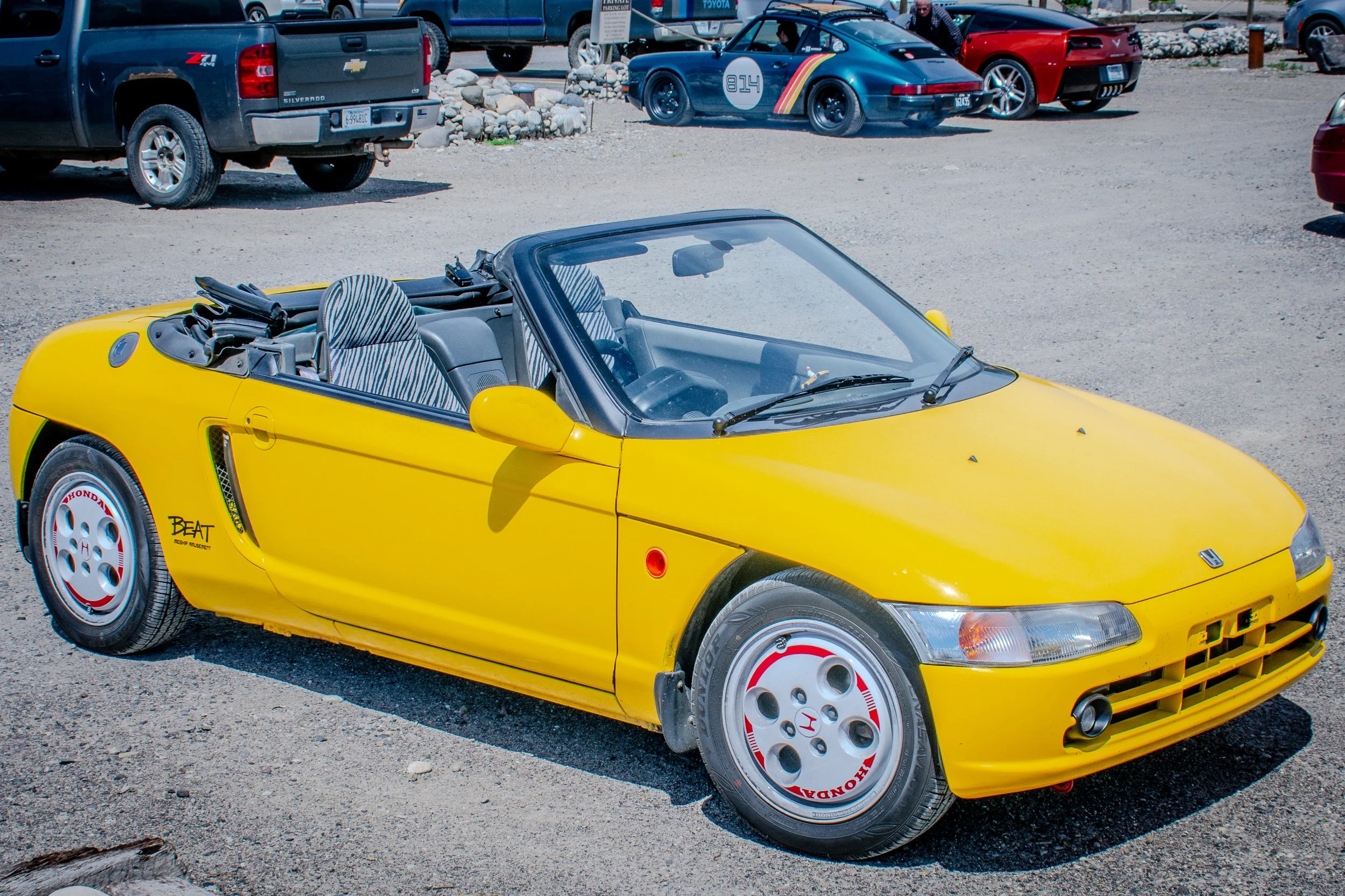
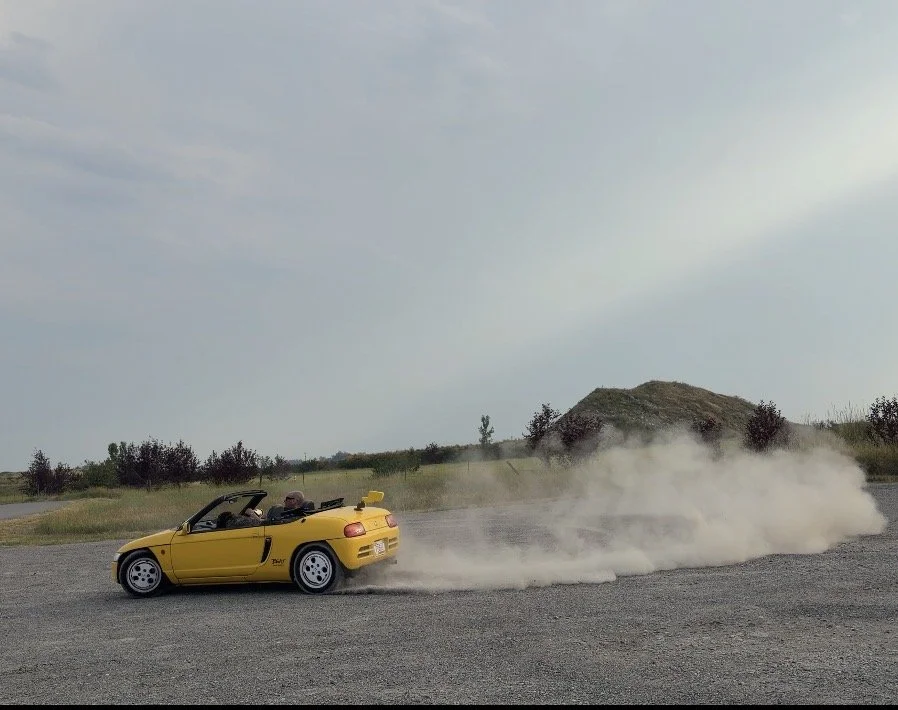
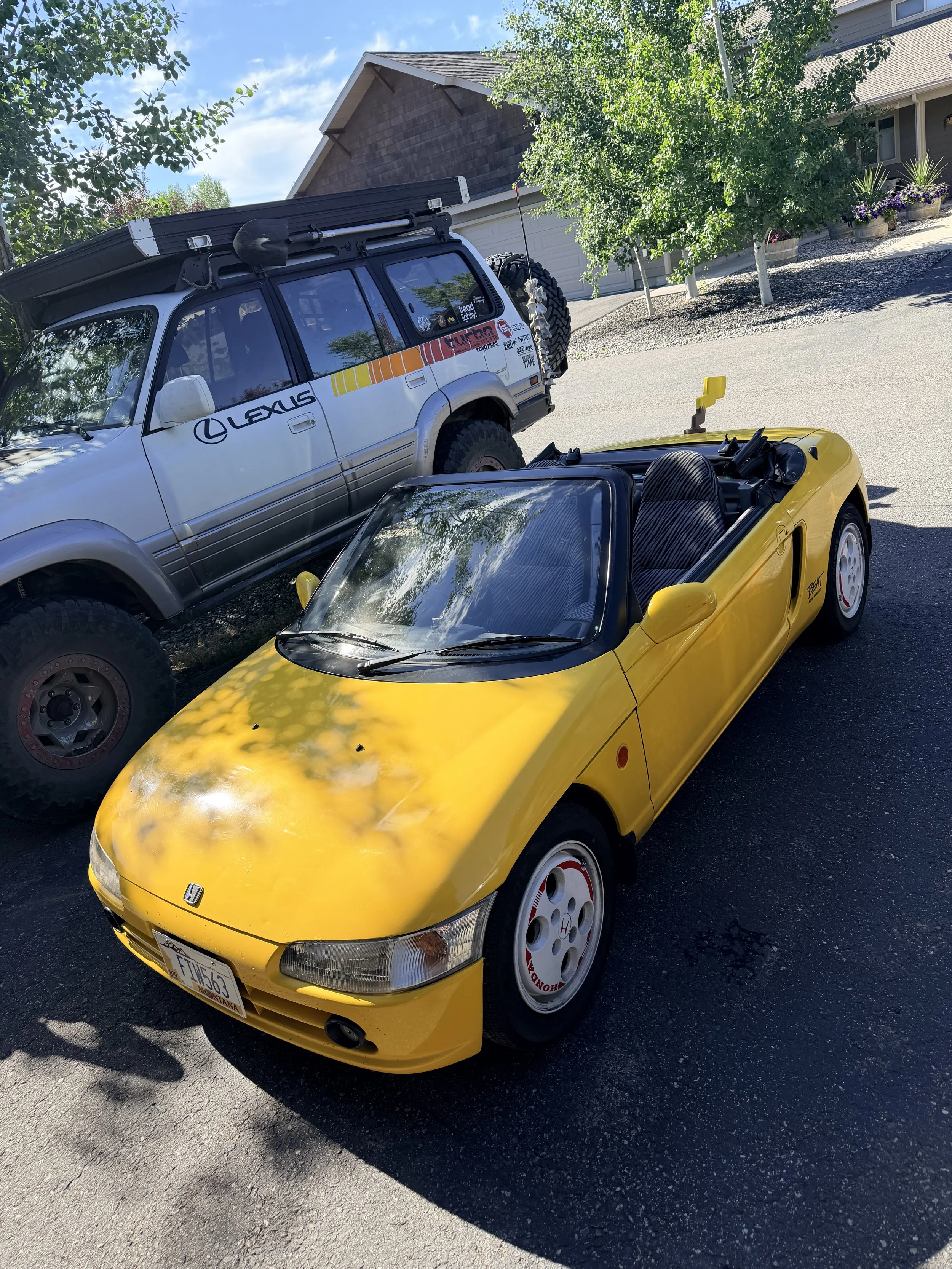
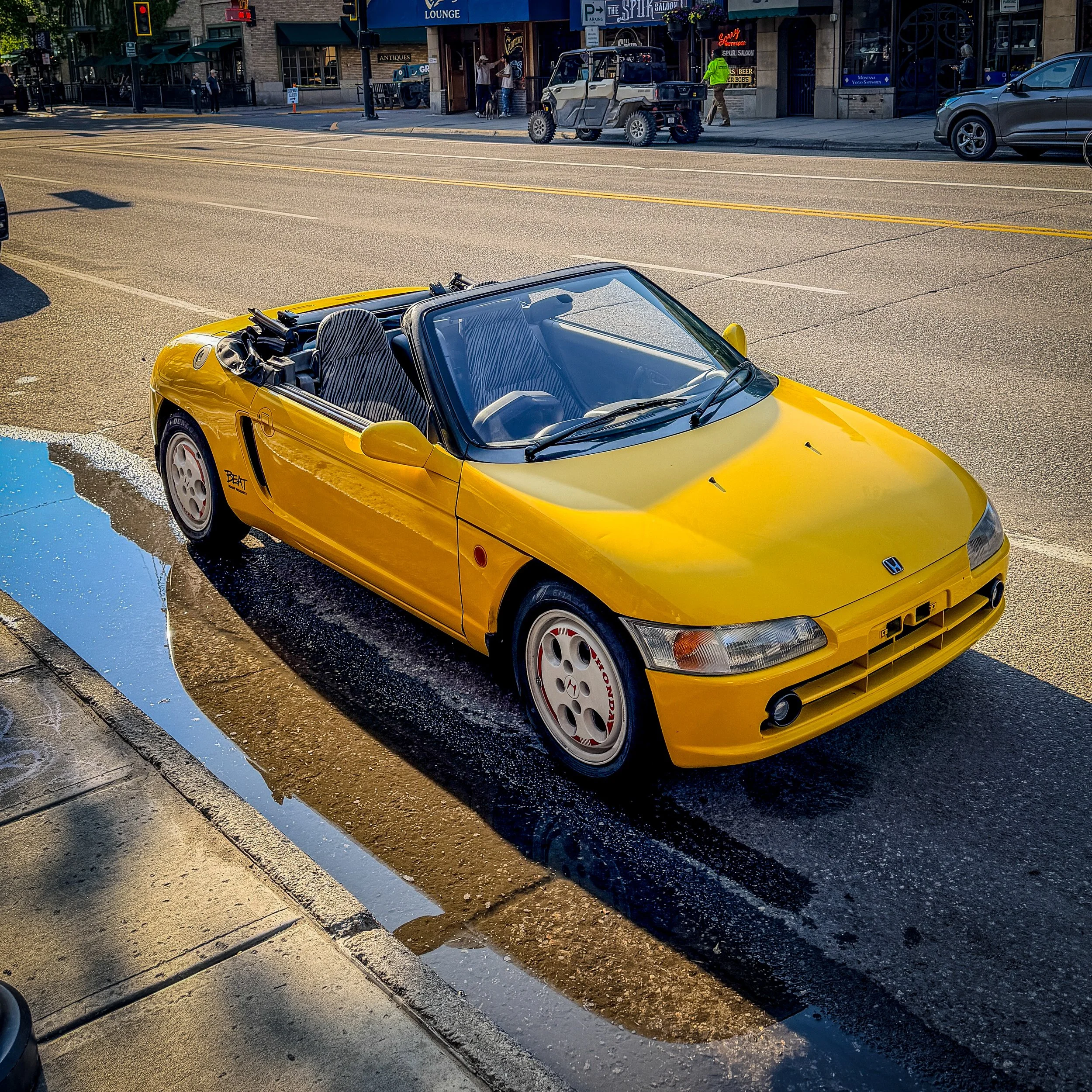
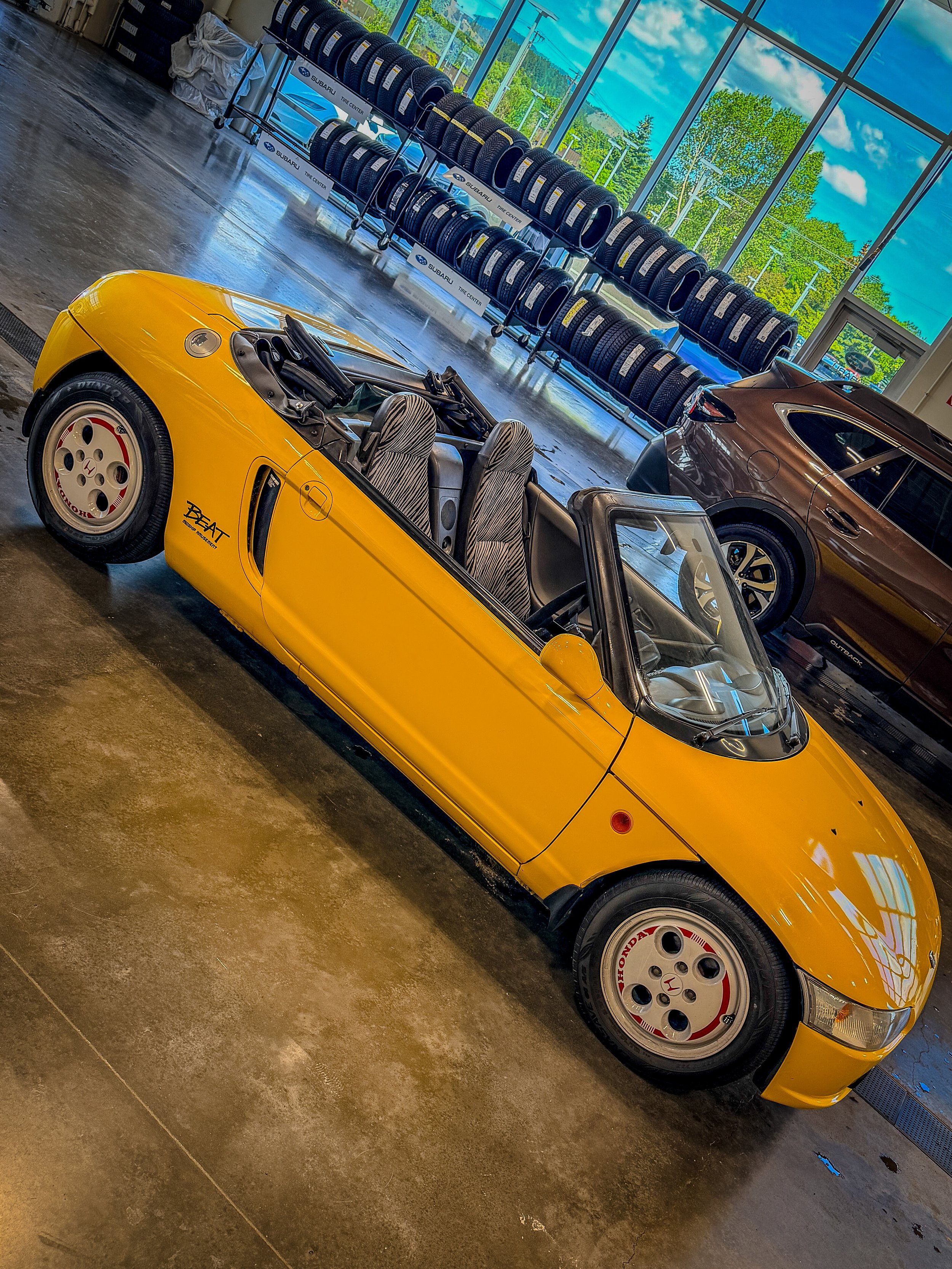
Honda Beat photography from the Aaron Goes Fast archive.
Build it for the counter.
The loaded Montana checklist calls for released foreign ownership, a VIN inspection, Customs entry documents, title application, odometer paperwork when applicable, and HS-7 support.
The Drive checklist is dated 2016 and notes that exceptions may apply. Call the Montana county treasurer before your appointment and ask what they currently require for a Japanese export certificate, translation, non-17-digit chassis number, VIN inspection, and odometer disclosure.
Price the landed car.
The auction price is only the first line. Ask for written estimates and keep a contingency for storage, inspection, and document corrections.
Use primary sources.
Forms and procedures change. Download fresh forms shortly before filing and confirm port-specific instructions with CBP or your broker.
Educational field guide only; not legal, tax, brokerage, or title advice. This page focuses on the common permanent-import path for age-eligible enthusiast vehicles. Newer, modified, commercial, show-or-display, racing, off-road, and temporary imports follow different rules.