

AGF Trail Reference Library
Prepared Beats Lucky.
A practical one-page guide to safer, smarter and more responsible 4x4 adventures—built from the recovery, safety, first-aid and camping references in the AGF archive.
Before the tires touch dirt
The trail does not care how expensive your build is.
A winch, lockers and big tires are useful—but preparation is what keeps a small problem from turning into a long night. Match the route to the vehicle, the driver, the weather and the group. Know how your equipment works before you need it, and never let the pressure to “send it” overrule a safe decision.
Best practices
Six habits that prevent most trail disasters.
Plan the route
Confirm legal access, distance, fuel range, weather, water crossings, seasonal closures, turnaround points and alternate exits. Carry an offline map—not just a phone with one bar of hope.
Inspect the vehicle
Check brakes, steering, battery hold-down, tires, spare, fluids, belts, hoses, lights, leaks and recovery points. Secure every loose item inside the cabin and cargo area.
Communicate
Establish a radio channel, hand signals and a single spotter before technical terrain. Tell someone at home where you are going and when you expect to return.
Use rated gear
Recovery equipment must be appropriate for the vehicle and the pull. Use loop-ended straps, secure front and rear recovery points, gloves and eye protection. Know the equipment’s limits.
Protect people first
Stop when the situation becomes unclear. Keep bystanders away from loaded lines, establish an escape path and never rush a recovery because the group is tired, cold or embarrassed.
Leave the trail better
Stay on designated routes, avoid widening obstacles, pack out waste, control spills and respect hikers, cyclists, livestock, horses and other trail users.
Know before you cross
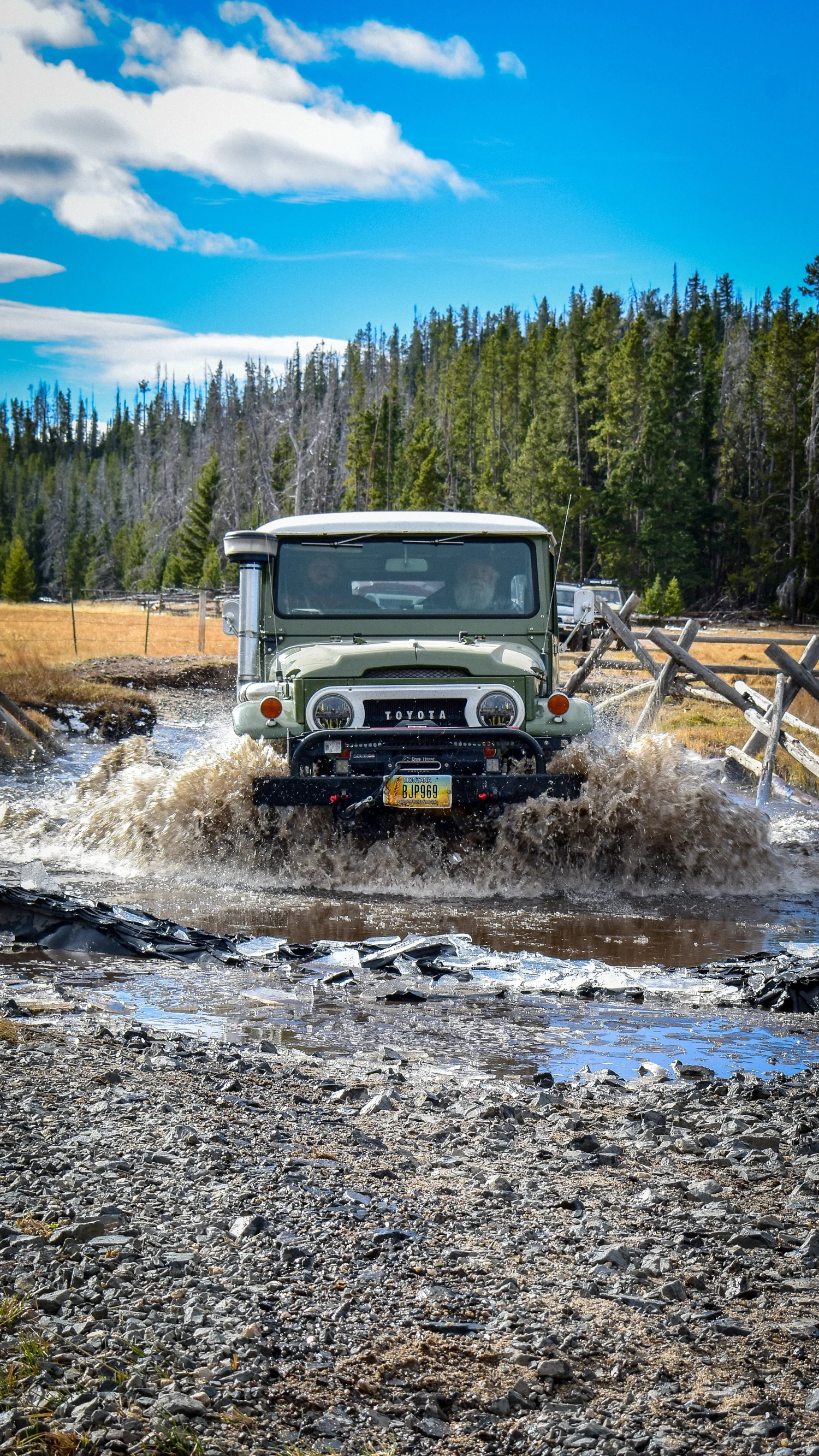
Water hides holes, current and expensive mistakes.
Walk a crossing only when it is safe to do so, identify the entry and exit, understand the depth and current, and know the location of the vehicle’s air intake and sensitive electronics. When uncertain, turn around. The goal is an adventure—not a recovery invoice.
Build the kit
A practical full-size 4x4 loadout.
Not every trip requires every item. Adjust for the vehicle, terrain, season, group size and distance from help.
Vehicle minimums
- Usable seat belts for every occupant
- Accessible, charged fire extinguisher
- Secure battery hold-down
- Working brakes and parking brake
- Functional headlights, brake lights and wipers
- Full-size spare, jack and lug wrench
- Solid front and rear recovery points
- No excessive fuel, coolant or oil leaks
Recovery equipment
- Rated recovery strap with loop ends—no metal hooks
- Winch, controller and recovery damper
- Tree-saver strap and winch extension
- Rated shackles and receiver recovery point
- Snatch block or recovery ring
- Traction boards and shovel
- Leather gloves and safety glasses
- Hi-Lift only with proper training and adapters
Tires and air
- Quality pressure gauge and deflator
- Compressor or properly secured air system
- Tire plug and repair kit
- Valve cores, stems and installation tools
- Wheel-lock key and correct sockets
- Tire chains or cables when conditions require them
- Knowledge of safe trail and road pressures
Tools and repair
- Vehicle-specific hand tools and breaker bar
- Jumper cables or jump pack
- Spare belts, hoses, fuses and relays
- Wiring and plumbing repair supplies
- Duct tape, electrical tape and zip ties
- Extra engine oil, coolant and other needed fluids
- Rags, hand cleaner and an appropriate spill kit
- Spare vehicle key
Emergency and communication
- Well-stocked first-aid kit
- CB, GMRS, FRS or amateur radio as appropriate
- Satellite messenger for remote travel
- Headlamps, work light and spare batteries
- Reflective triangle, safety vest and road flares where legal
- Seat-belt cutter and glass punch
- Emergency blanket, tarp and signaling whistle
Human survival
- More potable water than the planned day requires
- Food plus an emergency reserve
- Season-appropriate layers and rain gear
- Shelter or the ability to spend an unexpected night out
- Prescription medications and personal medical supplies
- Sunscreen, insect repellent and hygiene supplies
- Bear spray where appropriate and legal
- Pet water, food, leash and first-aid needs
When forward motion stops
Recovery is a process—not a performance.
Stop and assess
Shut down unnecessary movement. Identify instability, rollover risk, traffic, fire, water, damaged parts and safe standing areas.
Choose the lowest-force solution
Clear material, air down, use traction boards, improve the line or gently reverse before escalating to a dynamic or winch recovery.
Build the system
Use known, rated recovery points and compatible equipment. Inspect straps, ropes, shackles, anchors and line routing before loading them.
Control the scene
Choose one recovery leader and one spotter. Confirm radio or hand commands and move everyone outside the danger area.
Recover smoothly
Apply force gradually, watch the vehicle and equipment continuously, and stop immediately when anything changes or communication is lost.
Inspect and reset
Check steering, tires, brakes, driveline, fluids and recovery gear before continuing. Repack equipment so it is ready for the next problem.
Original AGF archive
Trail reference document library.
Open the original PDFs for the complete checklists, details and source material used to assemble this page.
Basic Recovery Class
A practical truck loadout, future equipment ideas, trail ethics and basic operating principles.
Open PDF ↗Extensive Recovery Equipment Checklist
A detailed recovery, tire, safety, air, tool, lighting and emergency-equipment inventory.
Open PDF ↗Trail Ride Safety & Equipment Checklist
Required vehicle-condition items plus recommended trail, recovery and tire equipment.
Open PDF ↗First-Aid Basic Care Checklist
Wound care, medications, splints, tools, emergency warmth, water treatment and personal-care supplies.
Open PDF ↗Complete Camping Checklist
An extensive reference covering shelter, clothing, kitchen, food, hygiene, navigation, communications and pets.
Open PDF ↗TLCA Standard Operating Procedures
Minimum off-highway vehicle requirements and additional recommended tools, supplies and safety equipment.
Open PDF ↗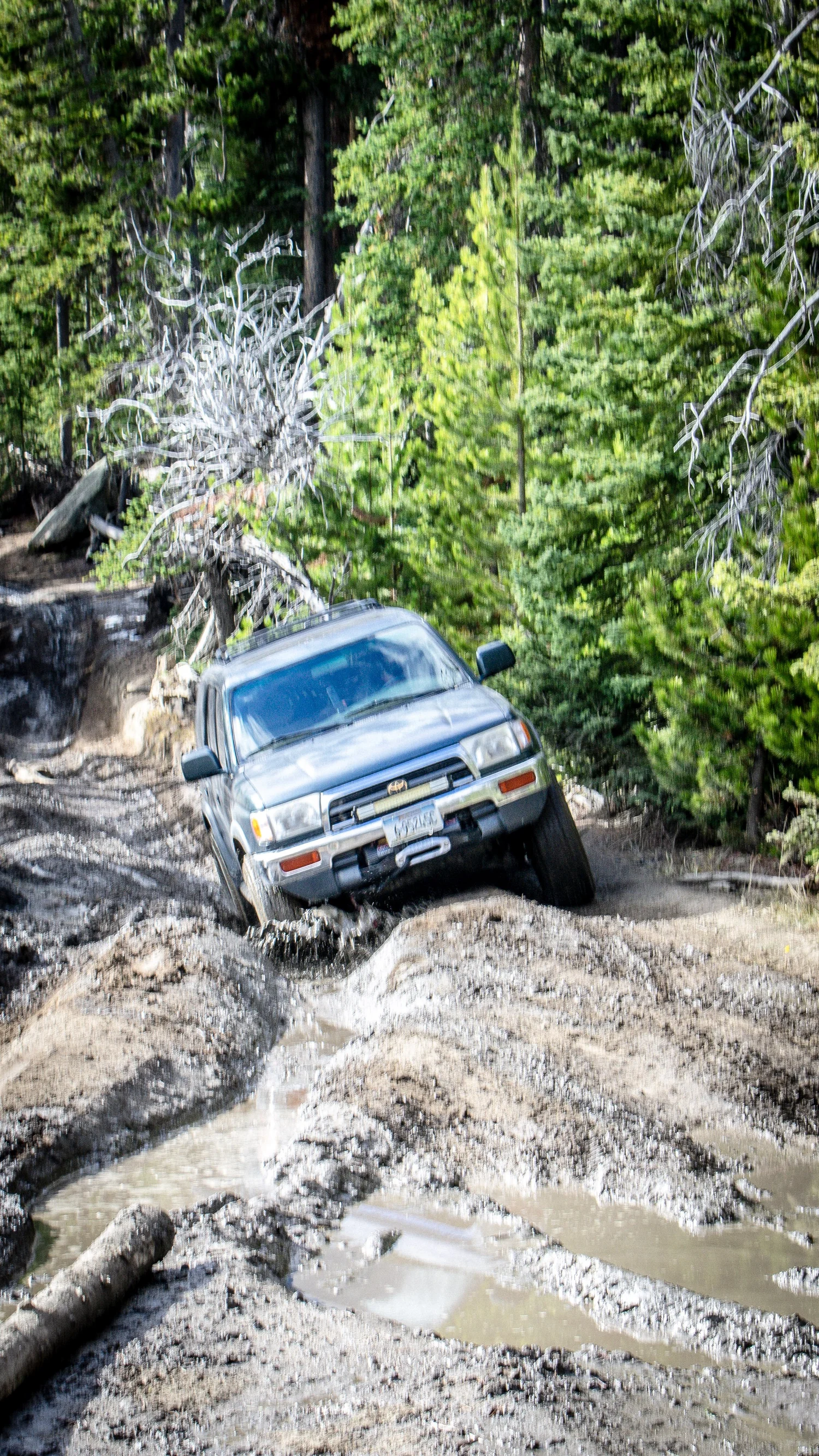
Keep access open
Trail ethics are recovery equipment for public access.
Every avoidable rut, abandoned part, spill and bypass gives land managers another reason to restrict motorized access. Responsible 4x4 travel is not about driving timidly—it is about making sure the next group still has a legal trail to drive.