Coffee, 911s and One Tiny Honda: The Vigilante 77 Send-Off
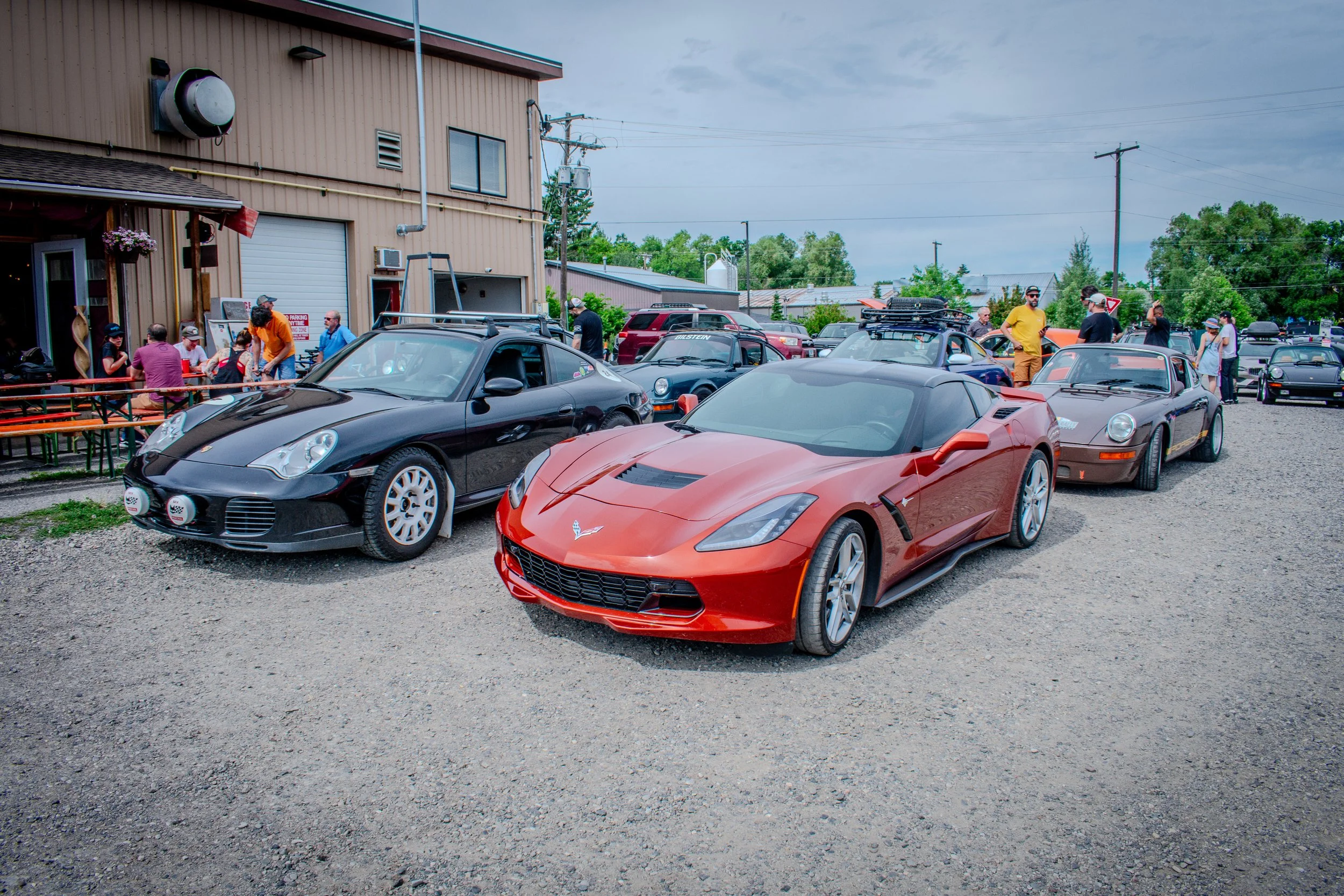
On Friday morning, the parking lot at Roly-Poly Coffee Co. in Bozeman looked less like a coffee stop and more like the starting grid for the world’s most wonderfully mismatched rally.
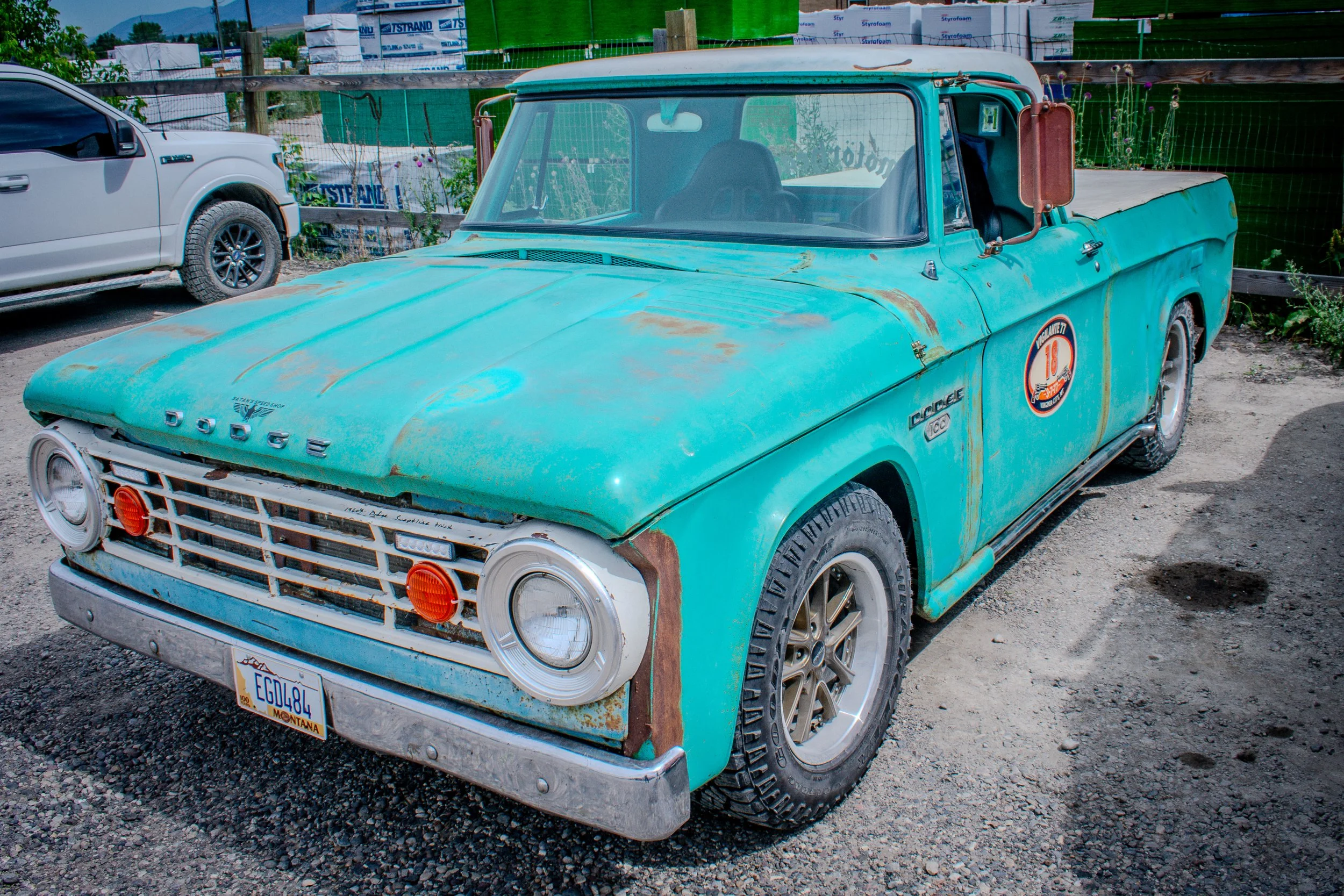
The Jackalope Drivers Club had gathered for the send-off to the Vigilante 77 Rally—a multi-day Montana driving adventure based in Virginia City. Drivers arrived with everything from air-cooled Porsches and rally-prepared European classics to American muscle, modern performance cars and one bright-yellow Japanese kei car that quickly became the unlikely star of the morning.
Before anyone started chasing mountain passes or dusty back roads, however, there was coffee to drink, cars to inspect and plenty of stories to trade.
A Parking Lot Full of Personality
The variety of cars was what immediately set the gathering apart. This wasn’t a concours lawn filled with machines chosen because they matched. It was a collection chosen by people who genuinely enjoy driving.
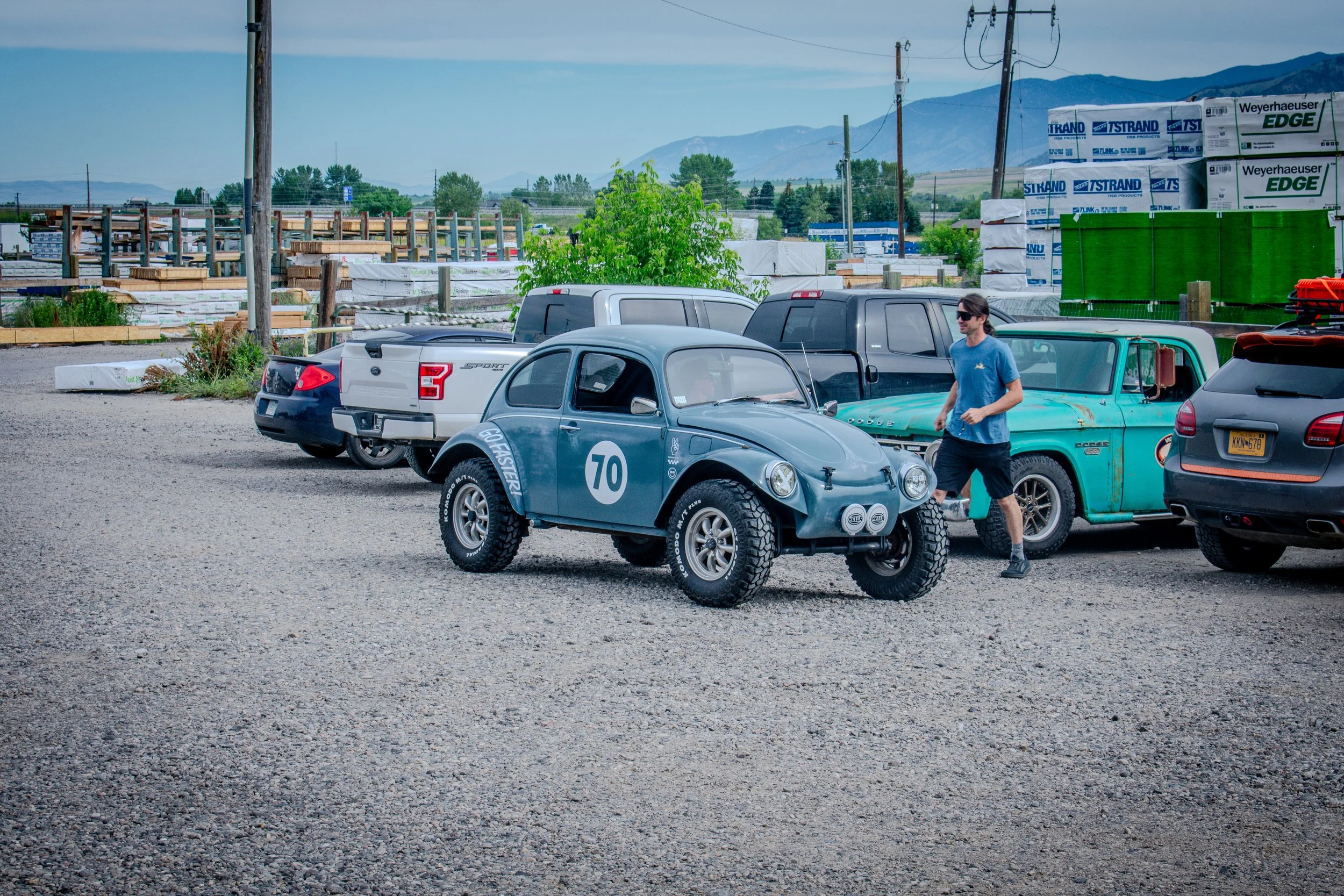
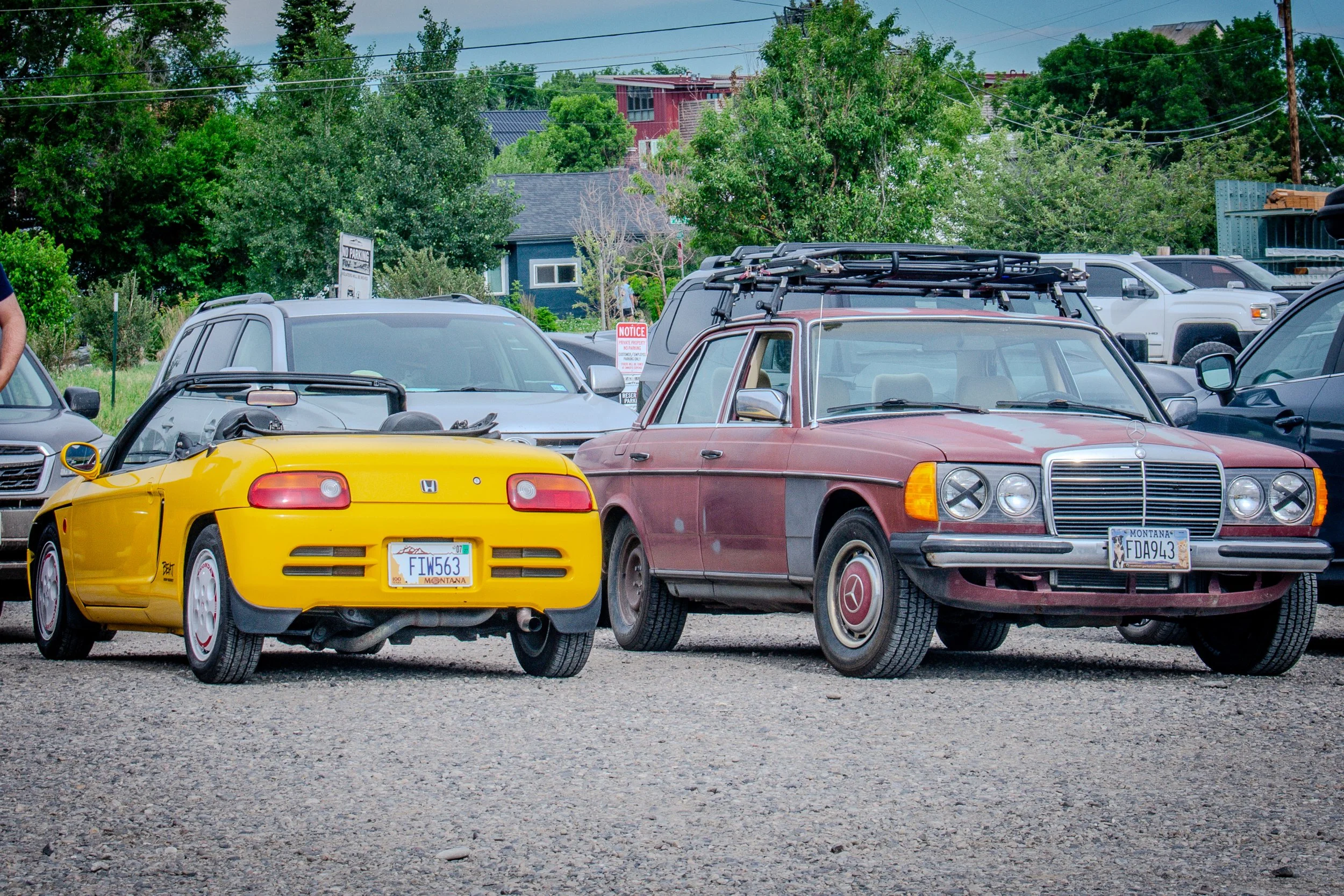
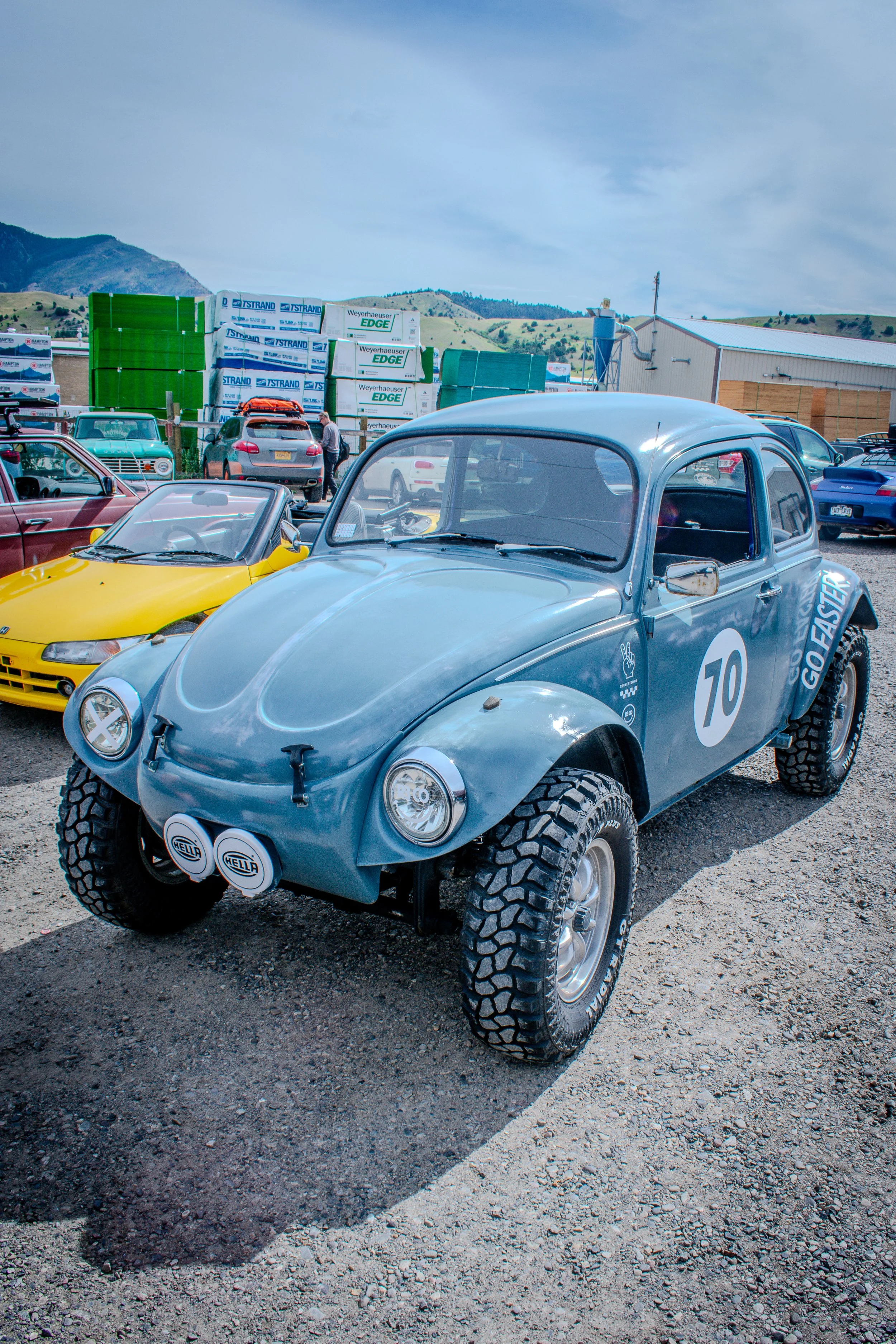
Nearby, a lifted Volkswagen Beetle had been transformed into a Baja-style rally machine. Wearing oversized off-road tires, additional lighting and door numbers, the Beetle represented the dirt-road side of the weekend perfectly. It was joined by a Mercedes-Benz W123 wagon prepared in a similarly adventurous style, complete with a roof rack and the sort of stance that suggested it was ready to carry passengers, tools and several days’ worth of questionable decisions into the mountains.
That pairing captured the spirit of the Jackalope Drivers Club particularly well. These weren’t cars that had been polished and parked—they had been modified to go somewhere.
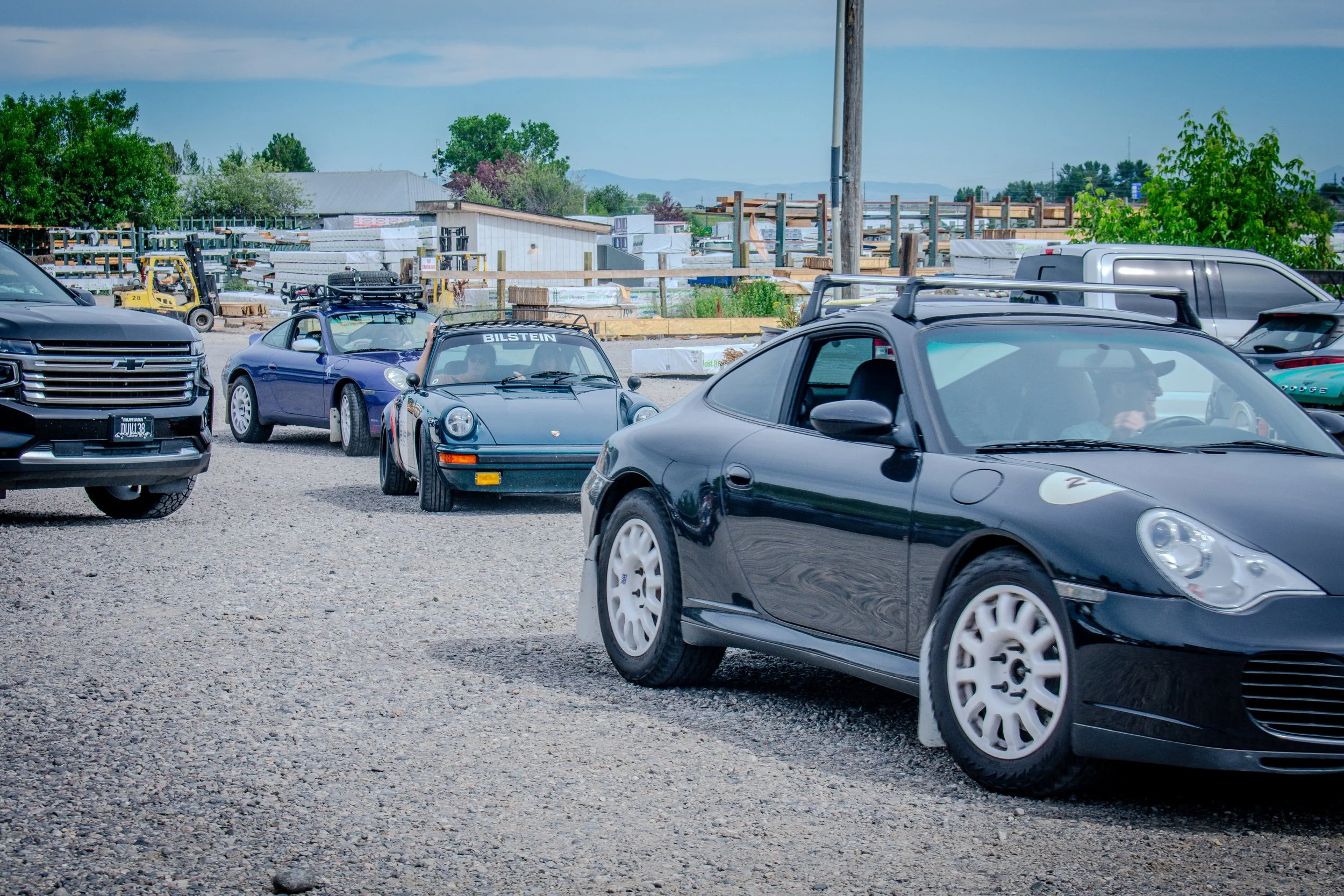
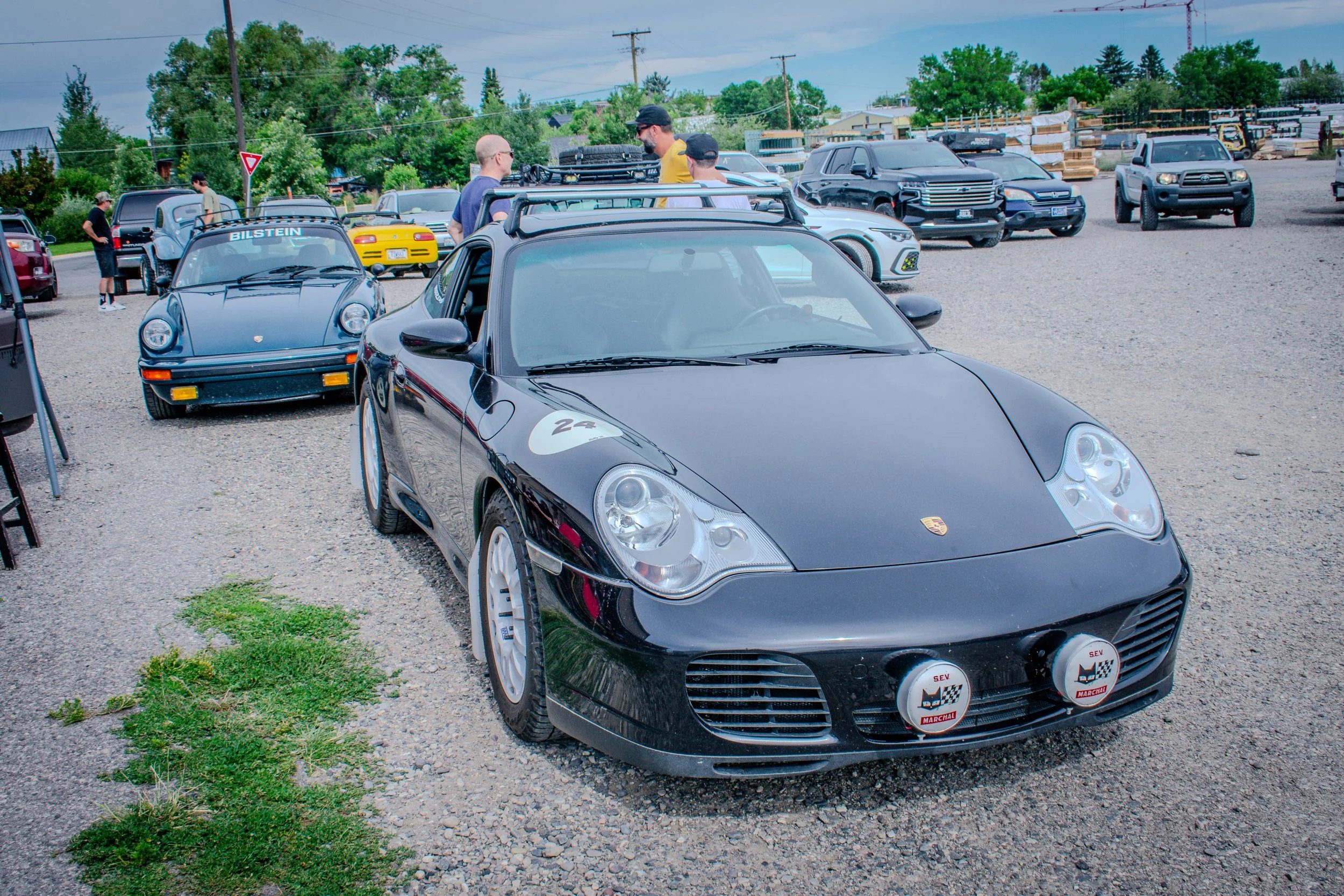
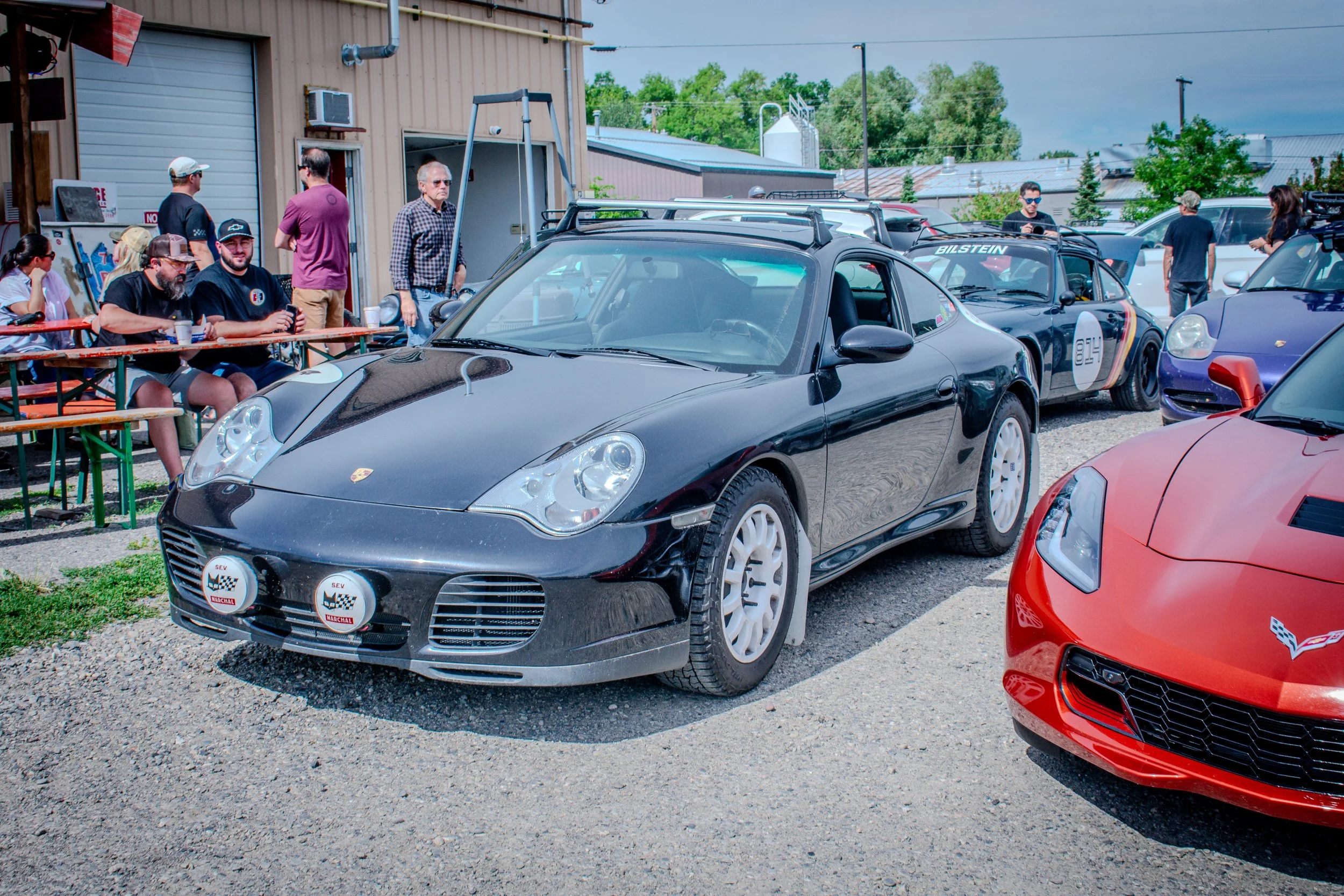
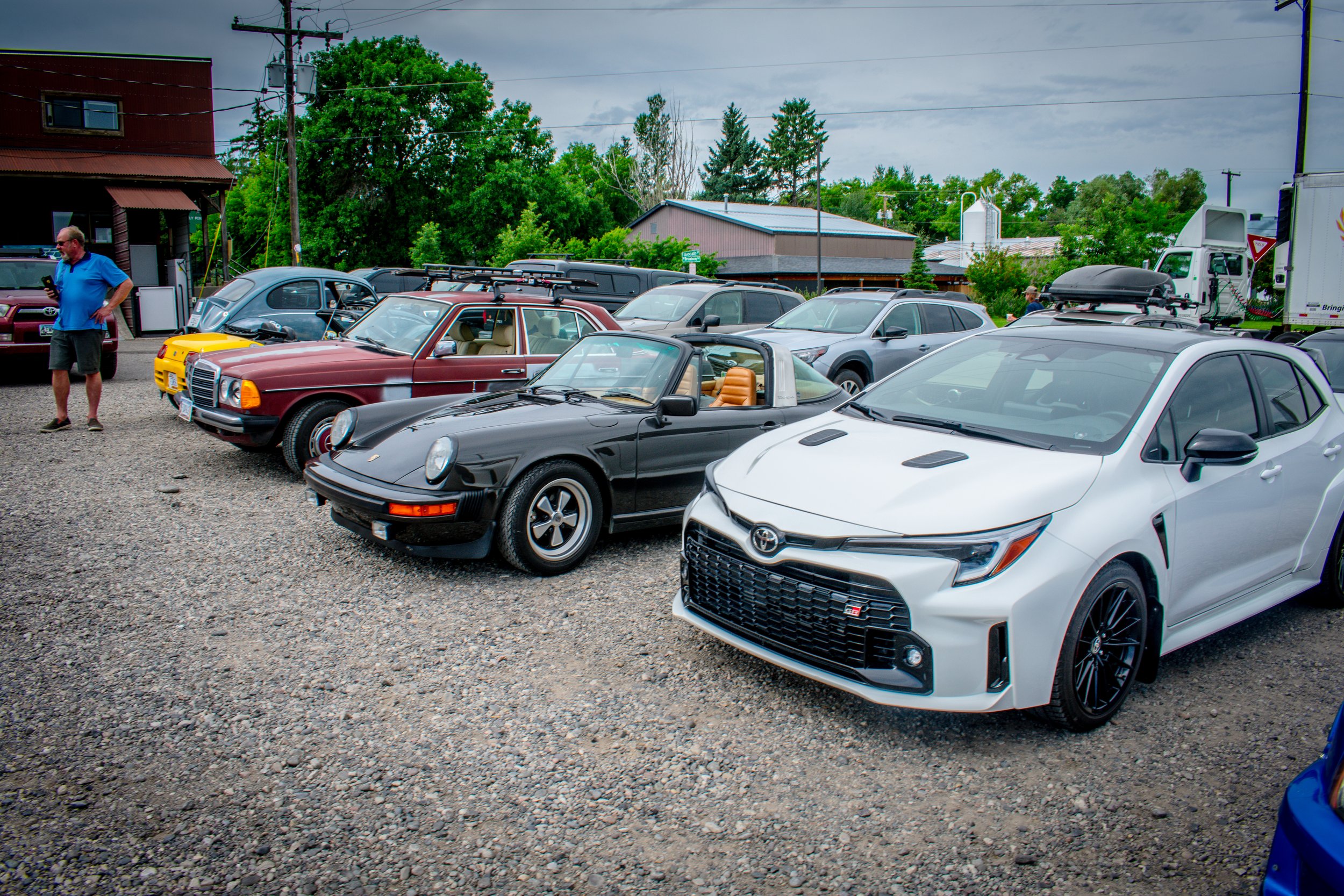
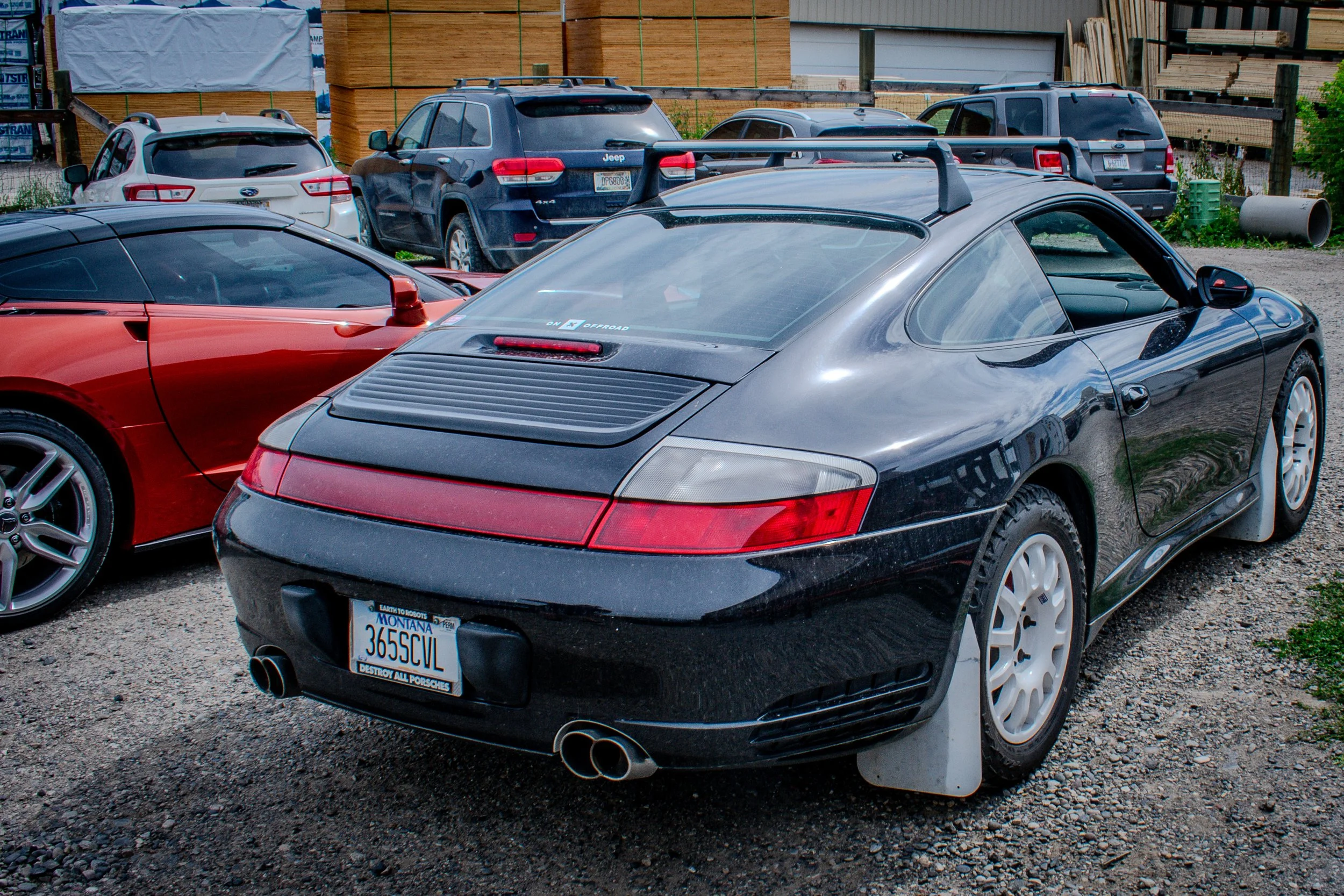
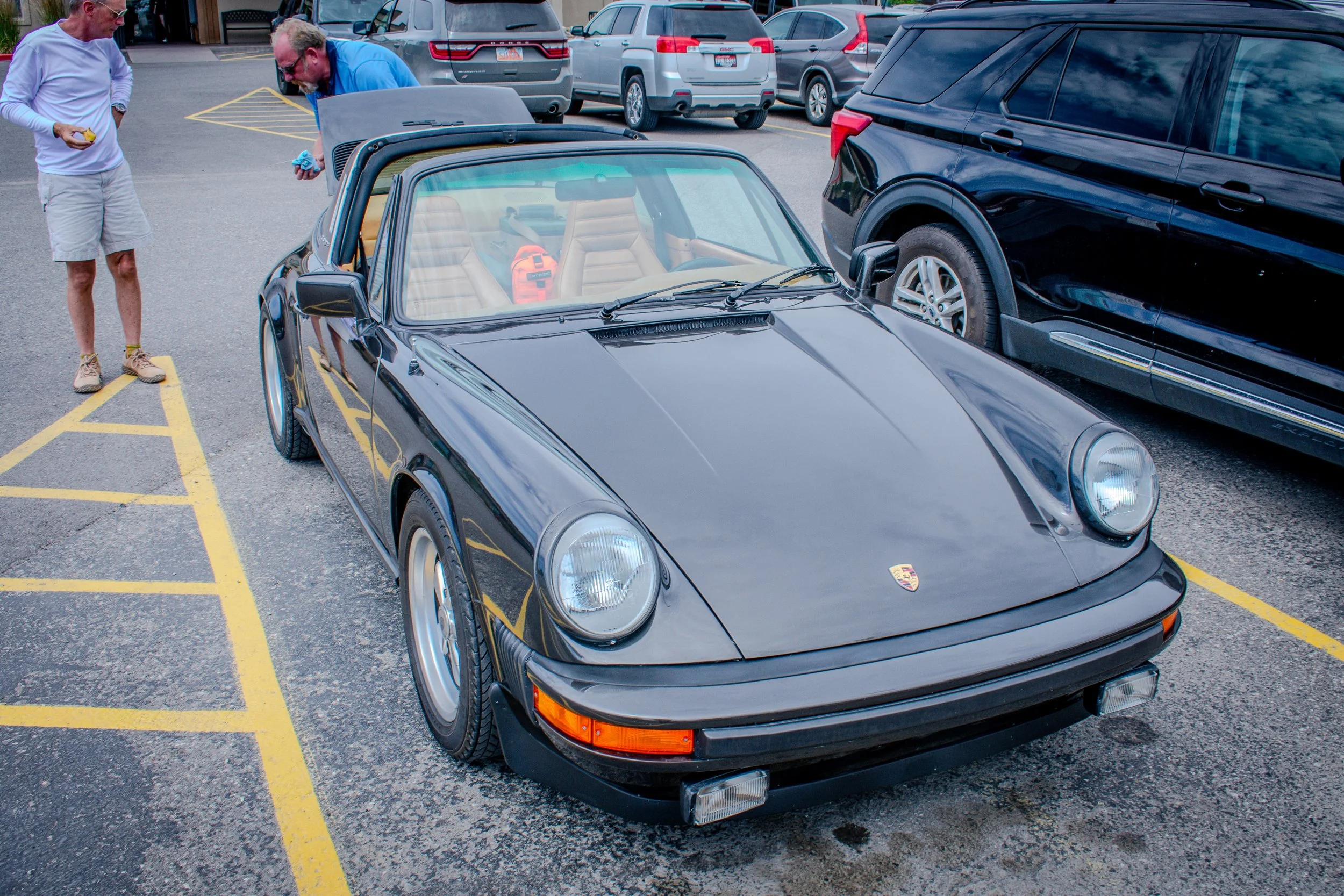
The European sports-car contingent was especially strong. Several Porsche 911s appeared in the photographs, including multiple water-cooled 996-generation cars. The 996 may once have been the overlooked chapter of the 911 story, but it has developed a following among enthusiasts who value its compact dimensions, analog driving experience and relative lack of modern interference.
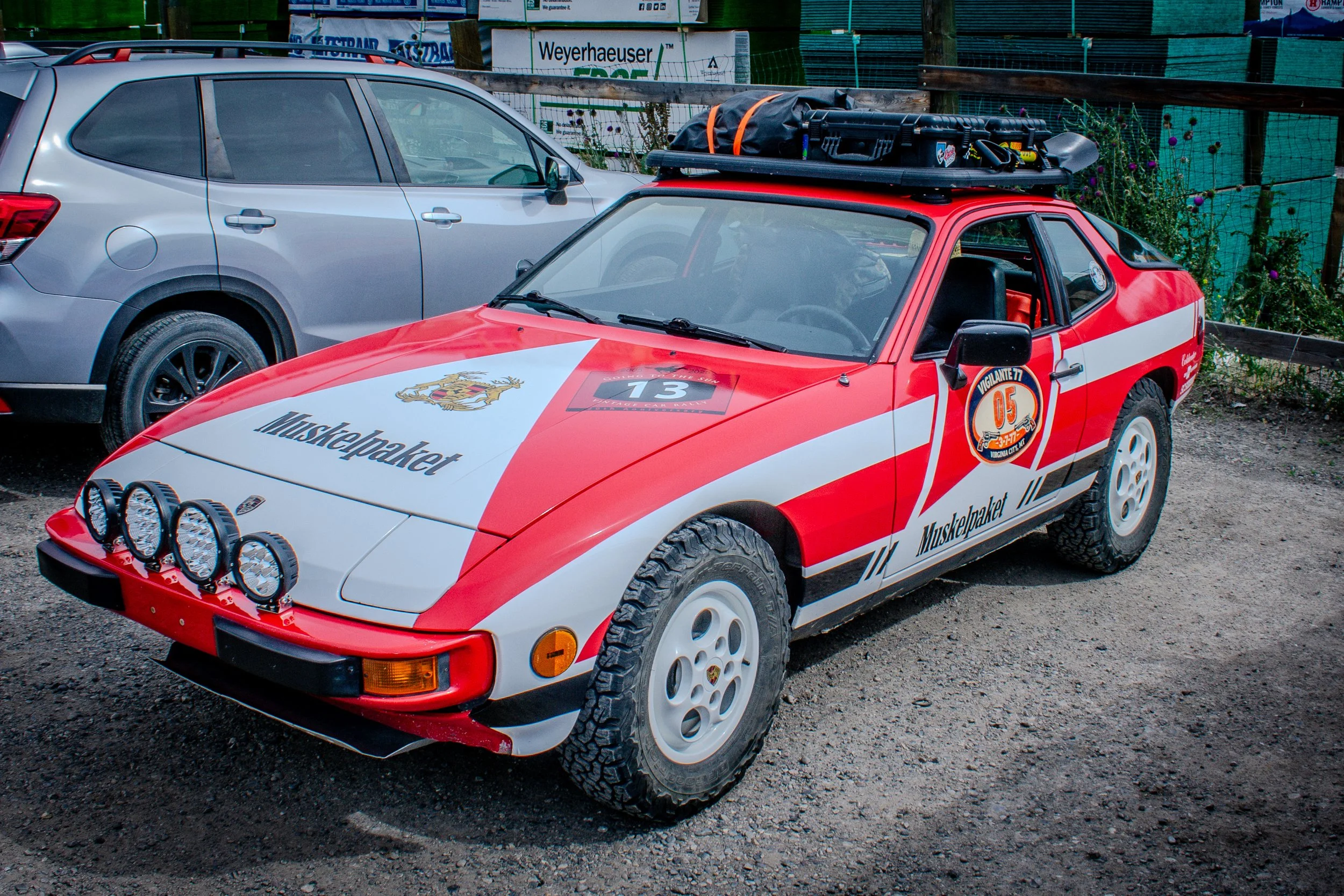
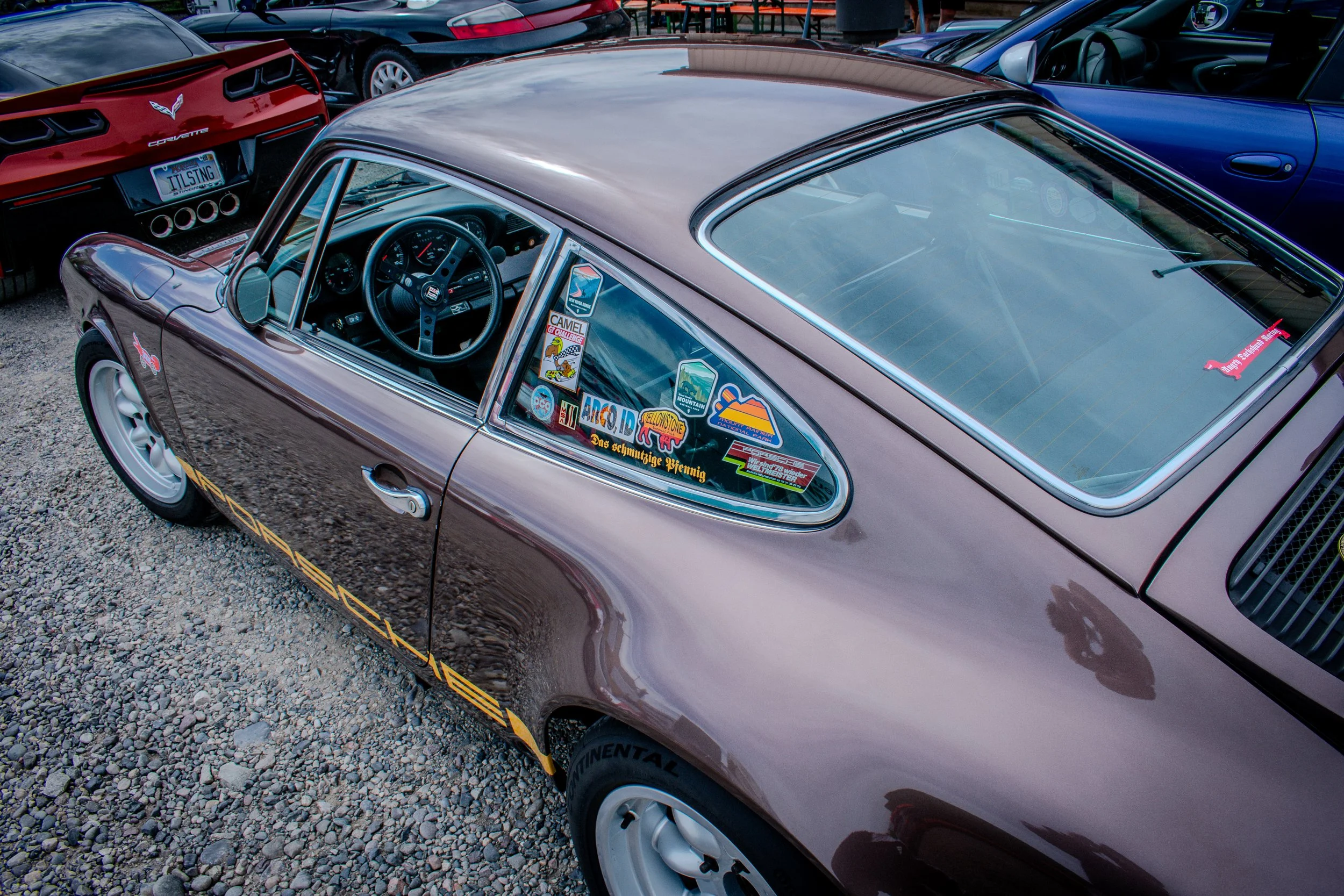
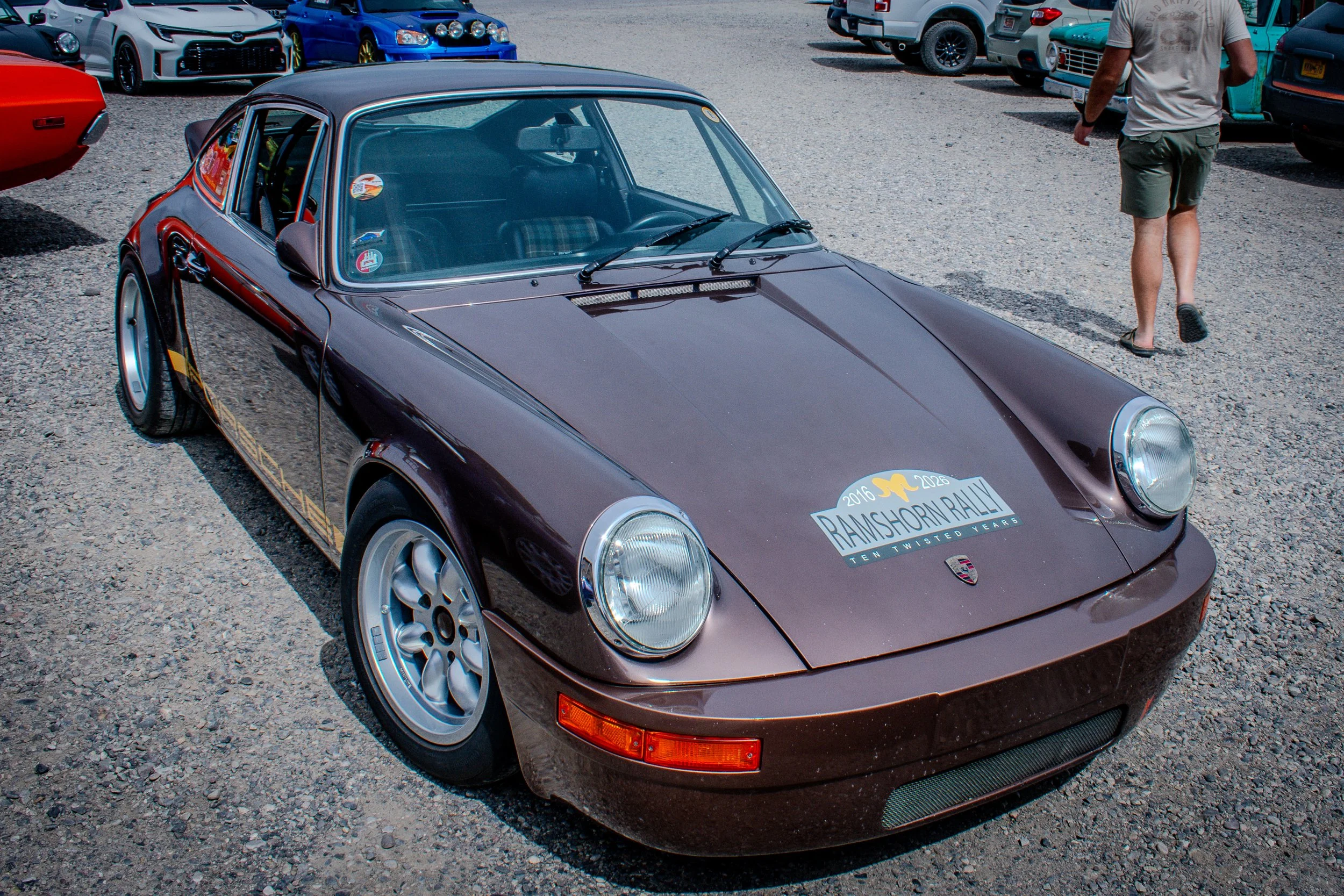
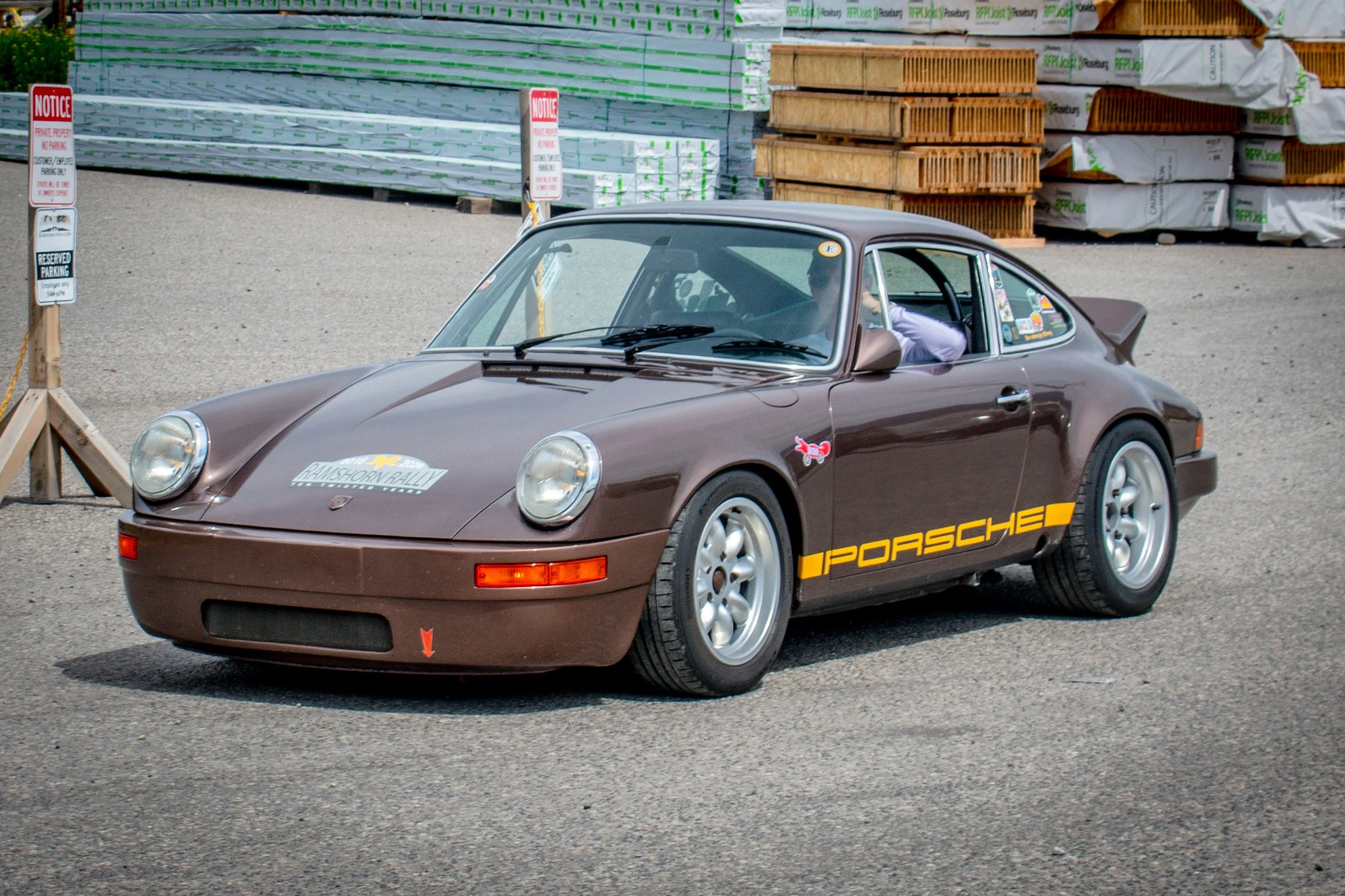
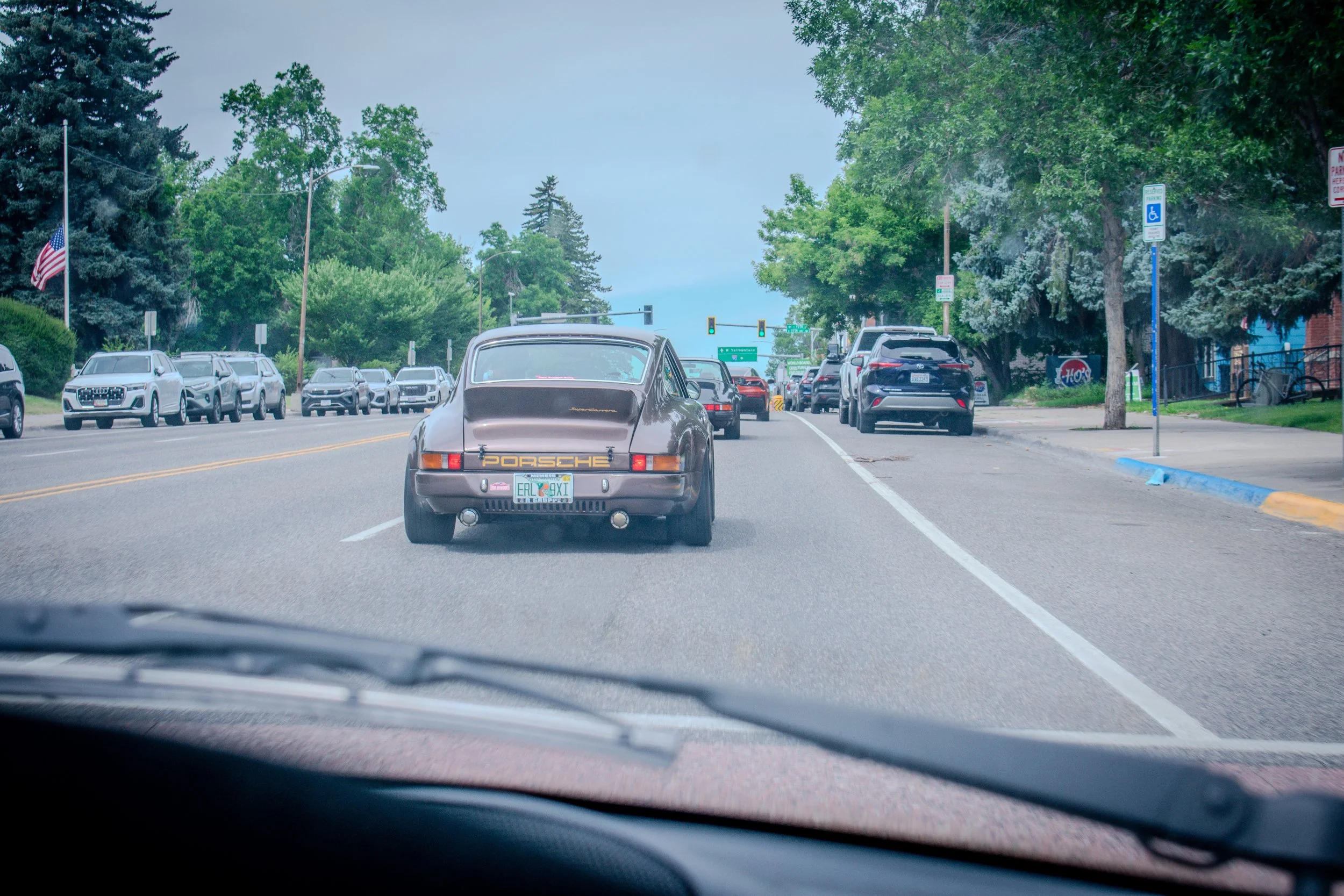
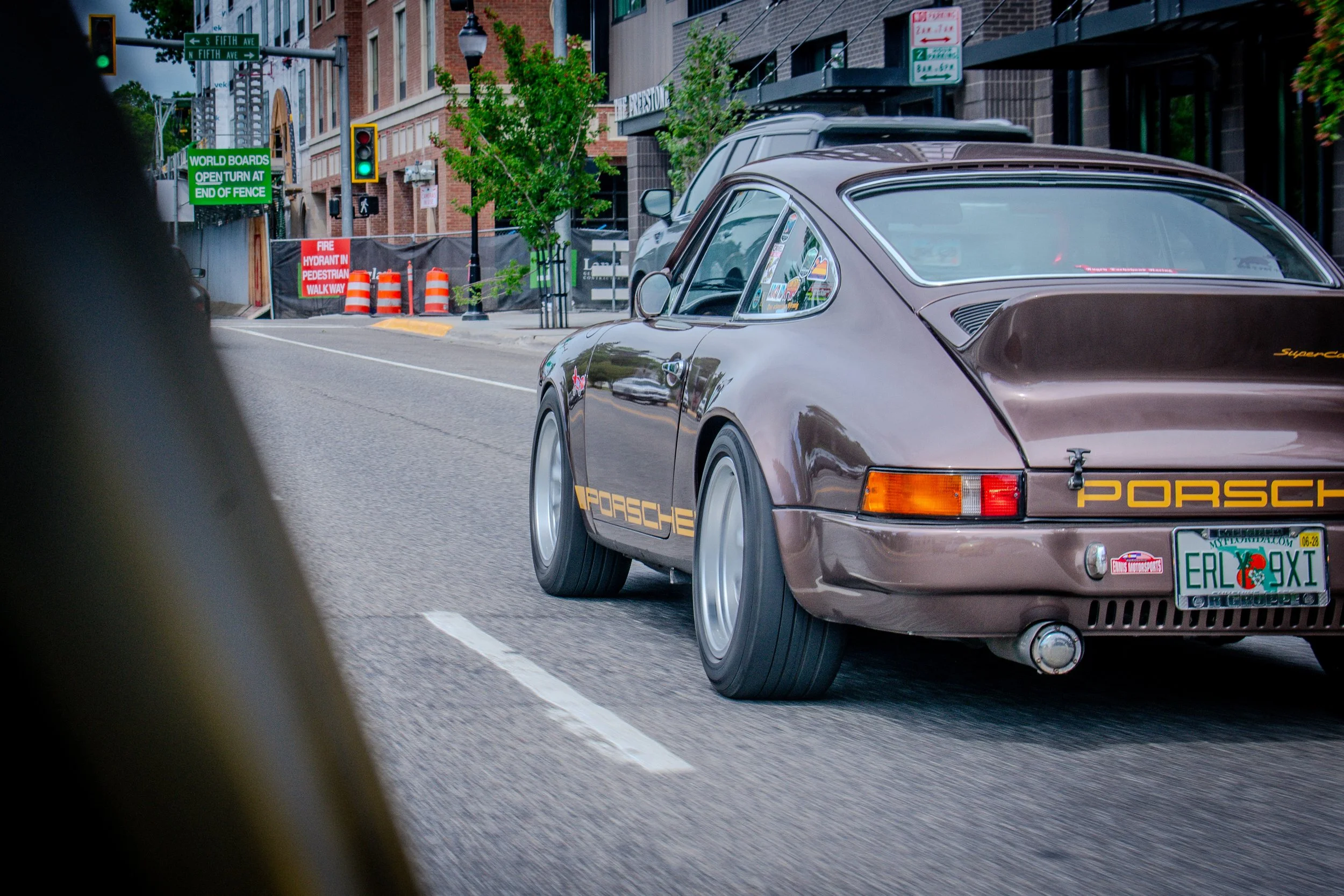
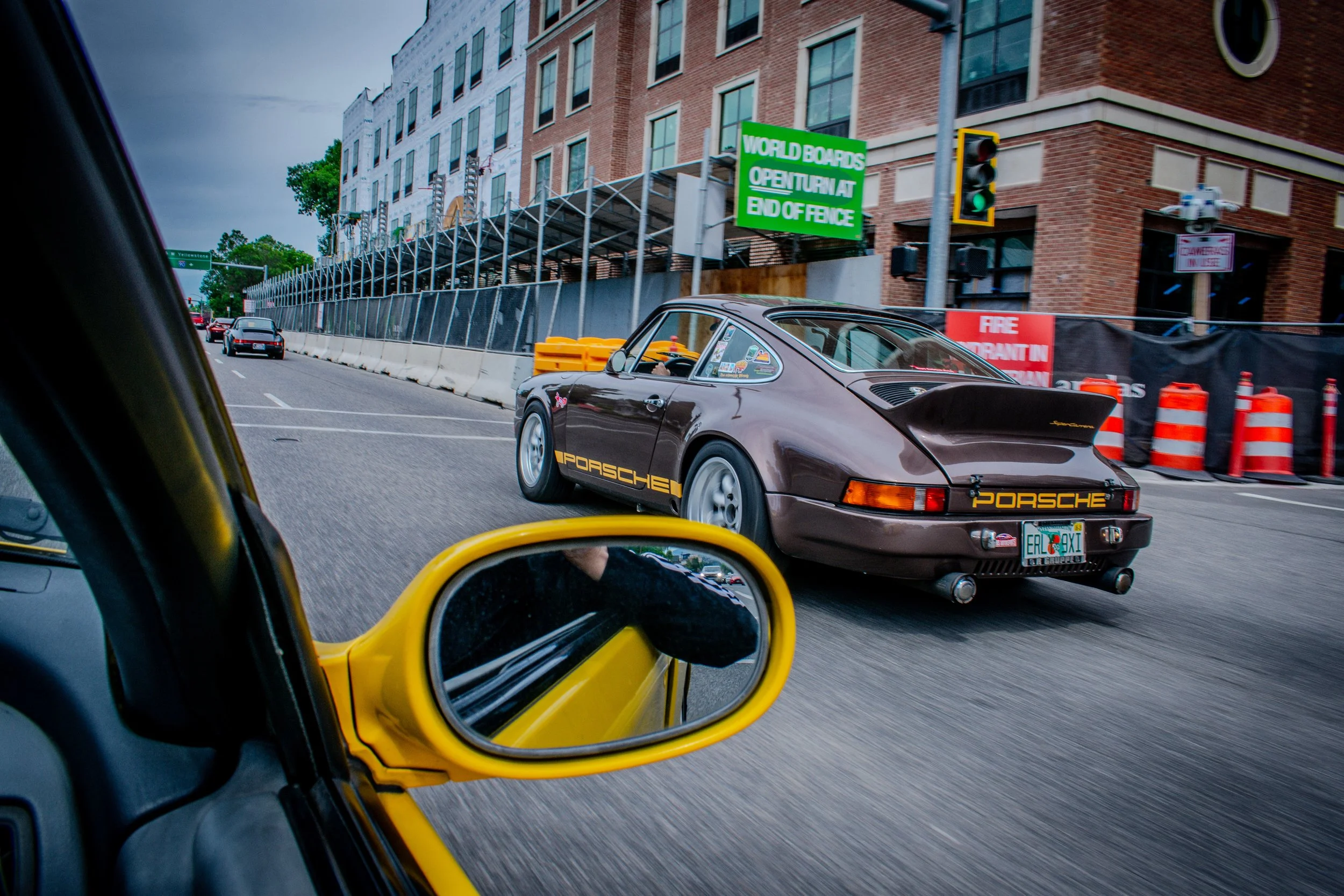
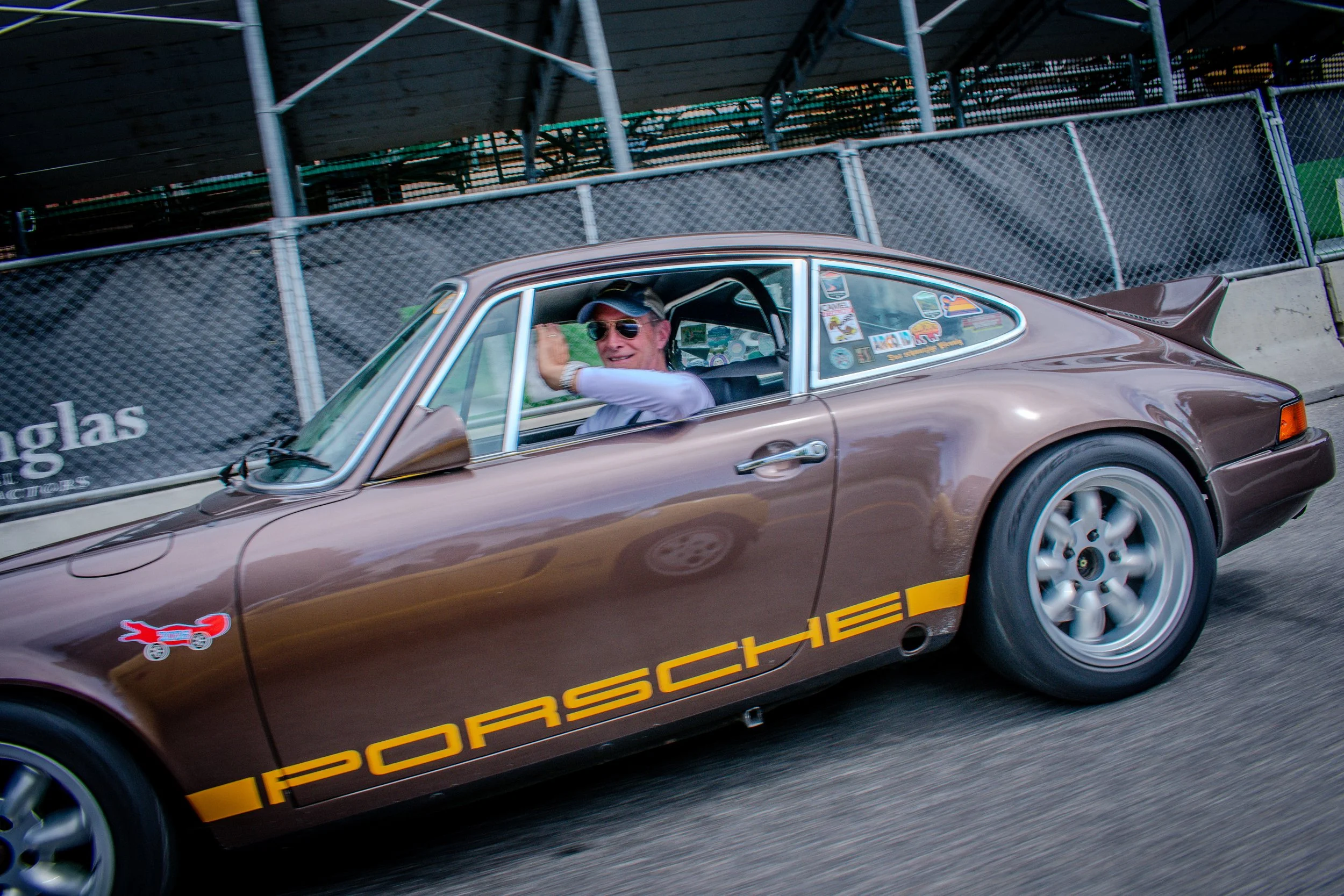
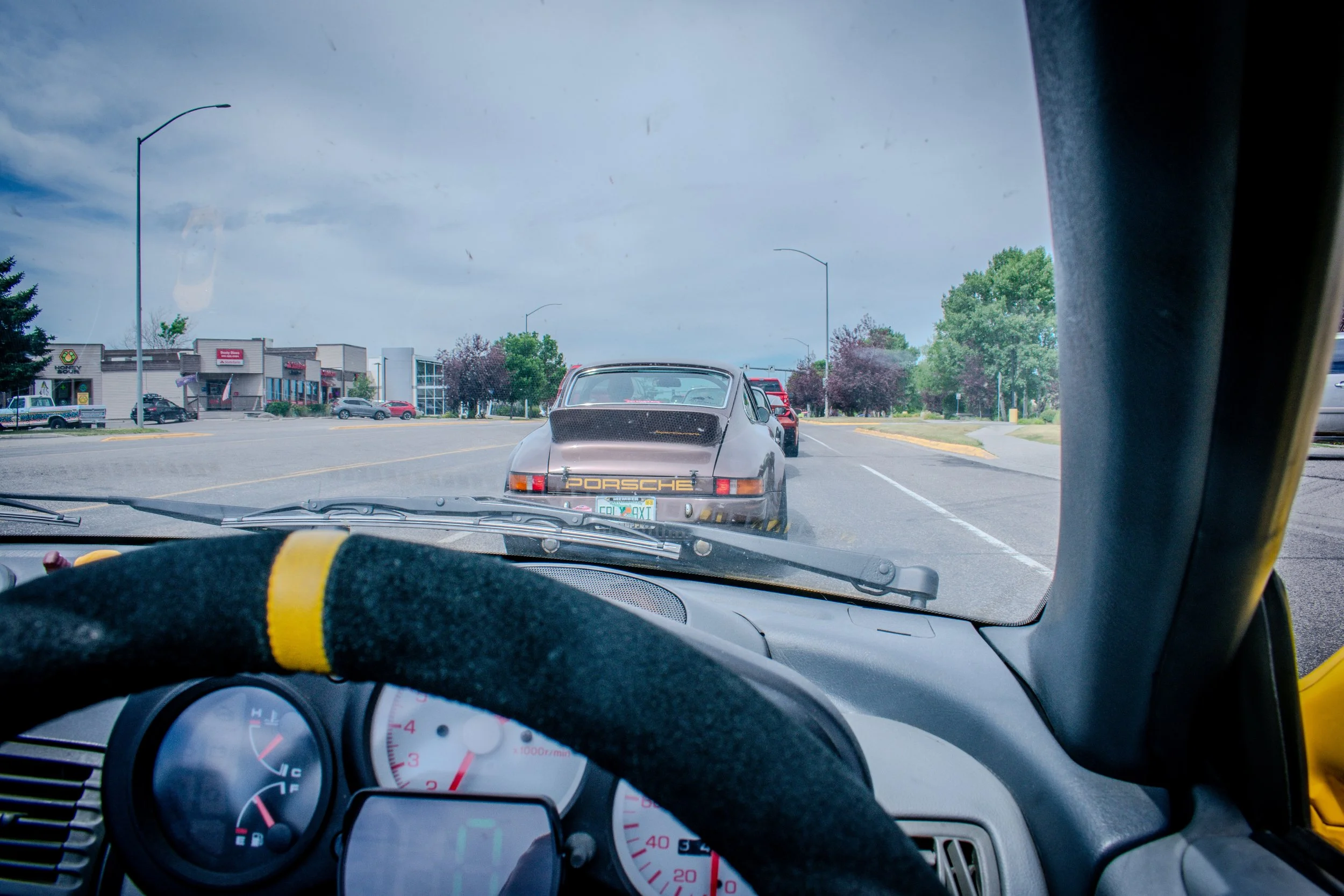
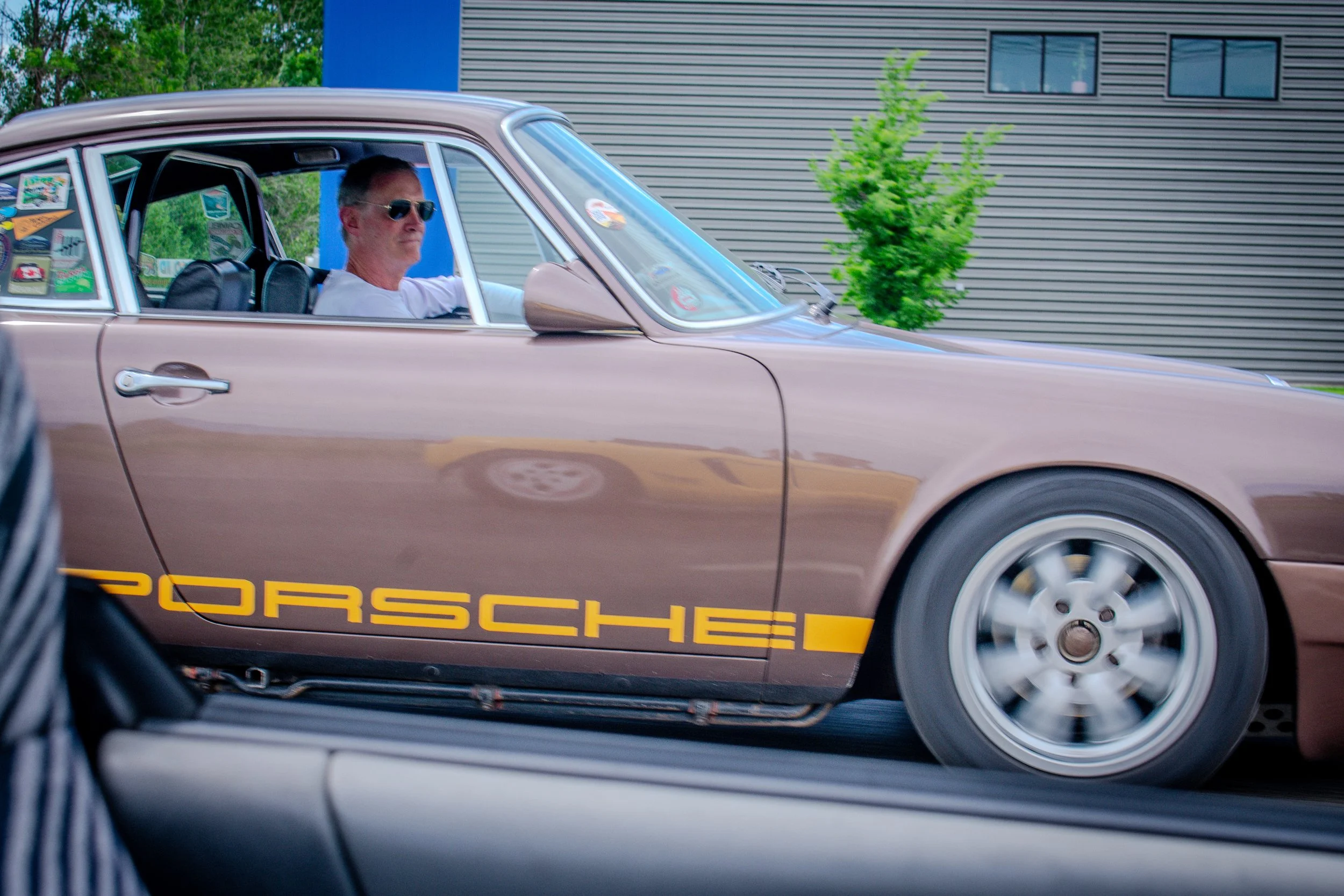
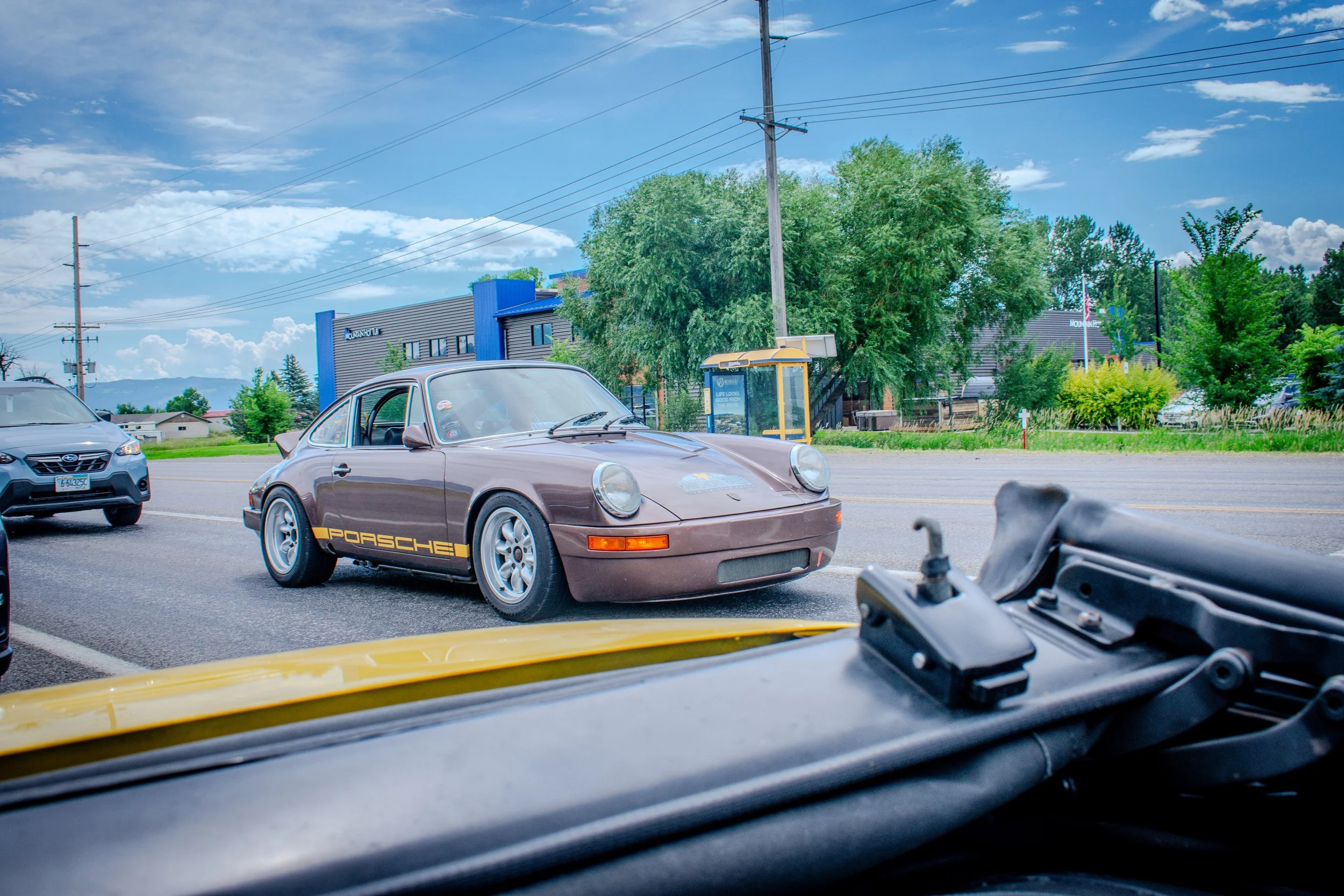
Alongside them were older Porsche transaxle and air-cooled cars, including a front-engine Porsche from the 924/944 family and a burgundy air-cooled 911 wearing unmistakable Porsche side graphics. The older 911, with its narrow body, upright windshield and purposeful stance, looked ready for a back-road run before it had even left the parking lot.
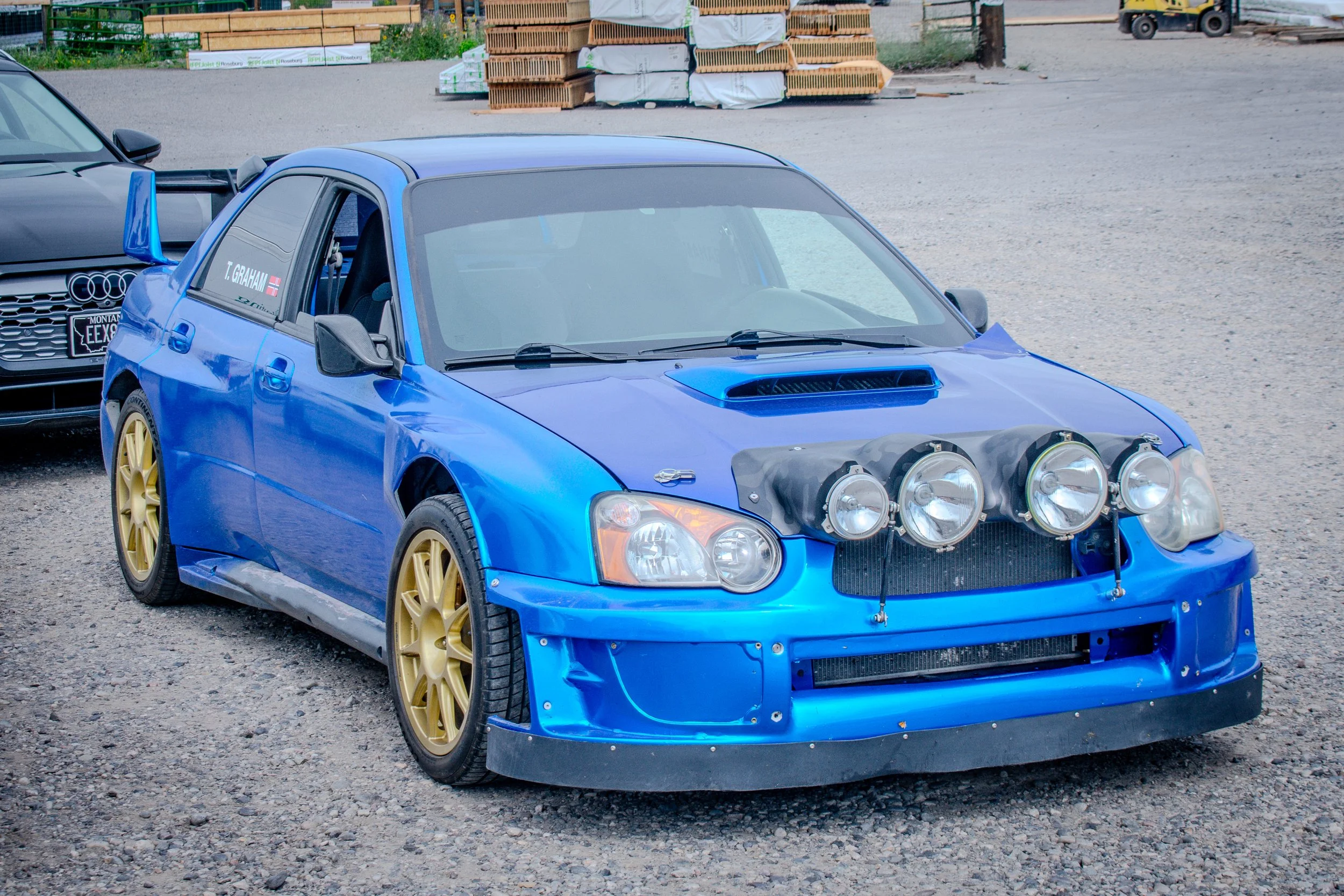
The images also show a blue Subaru Impreza WRX rally build carrying four large auxiliary lights across its nose. Finished with gold wheels, it looked like it had driven directly out of the glory days of Subaru rally competition. It was one of the most purpose-built cars in attendance and a reminder that extra lights always make a rally car look at least 40 percent faster.
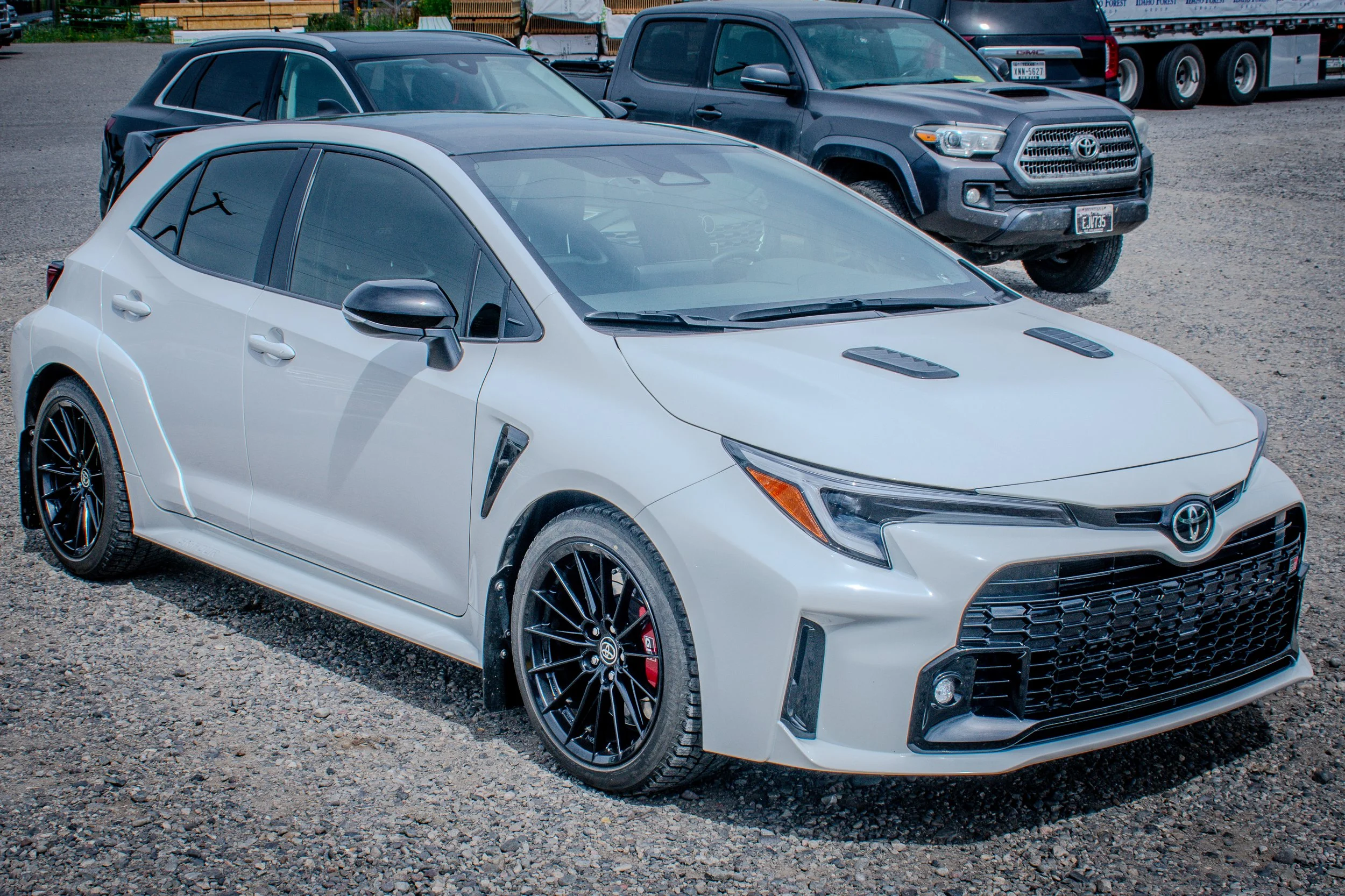
A white Toyota GR Corolla brought modern all-wheel-drive performance to the gathering. With a turbocharged three-cylinder engine, manual transmission and rally-derived drivetrain, the GR Corolla is one of the closest things currently available to a factory-built rally special. Seeing it among the older machinery showed how the same basic formula—small car, turbocharged power and all-wheel drive—continues to appeal across generations.
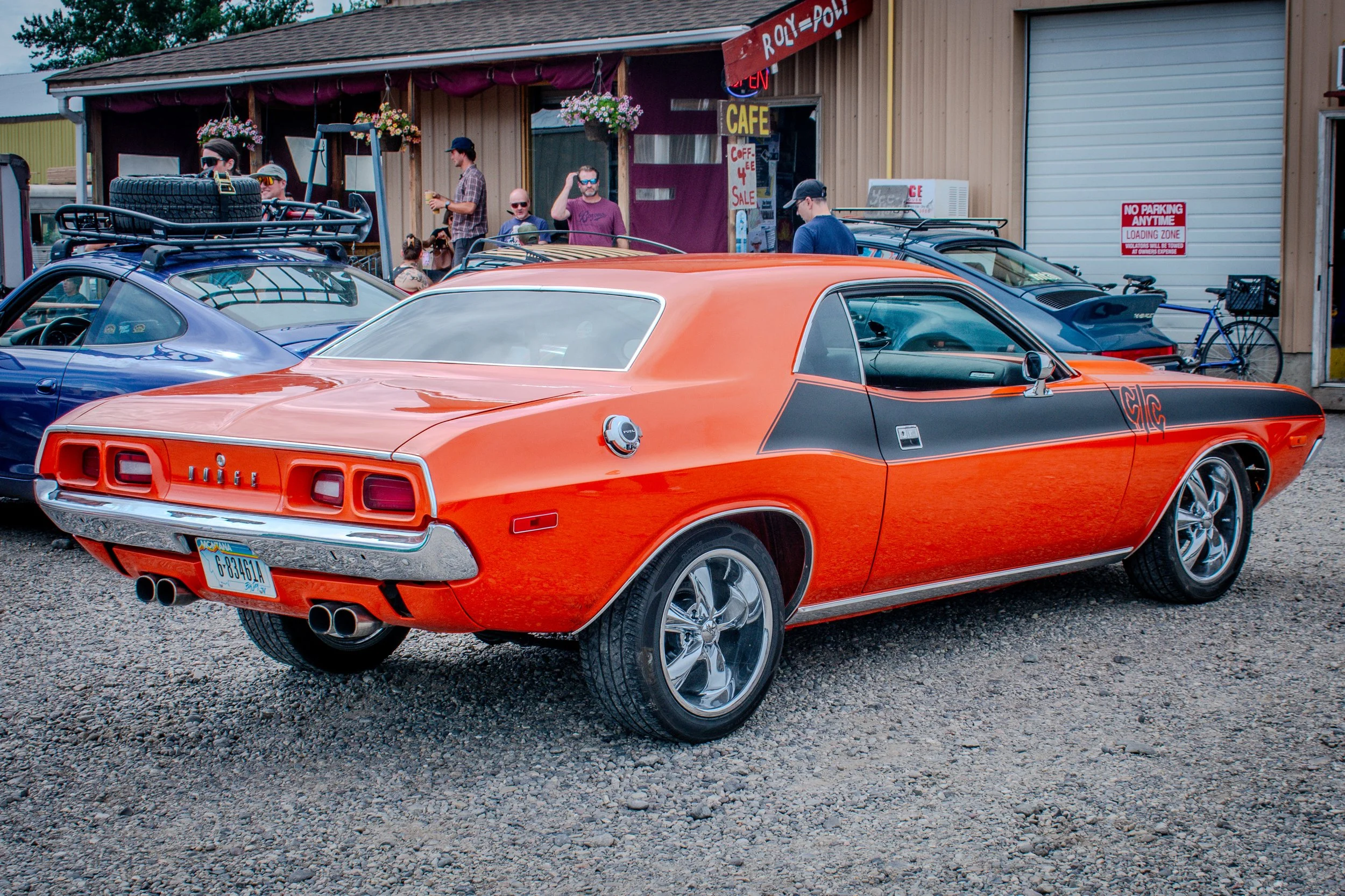
American performance was represented by an orange first-generation Dodge Challenger and a red C8 Chevrolet Corvette. The Challenger supplied unmistakable old-school muscle-car presence, while the mid-engine Corvette looked low, wide and thoroughly modern among the upright rally builds and compact European sports cars.
It was a wonderfully strange combination: an American V-8 muscle car, a mid-engine Corvette, German sports cars, a Japanese all-wheel-drive hot hatch, a Baja Beetle and a 924 with enough lights to illuminate half of Madison County.
Then there was the Honda Beat.
The Smallest Car Was the Biggest Hit
Parked among Porsches, Corvettes and heavily modified rally cars, the yellow Honda Beat should have disappeared.
It did exactly the opposite.
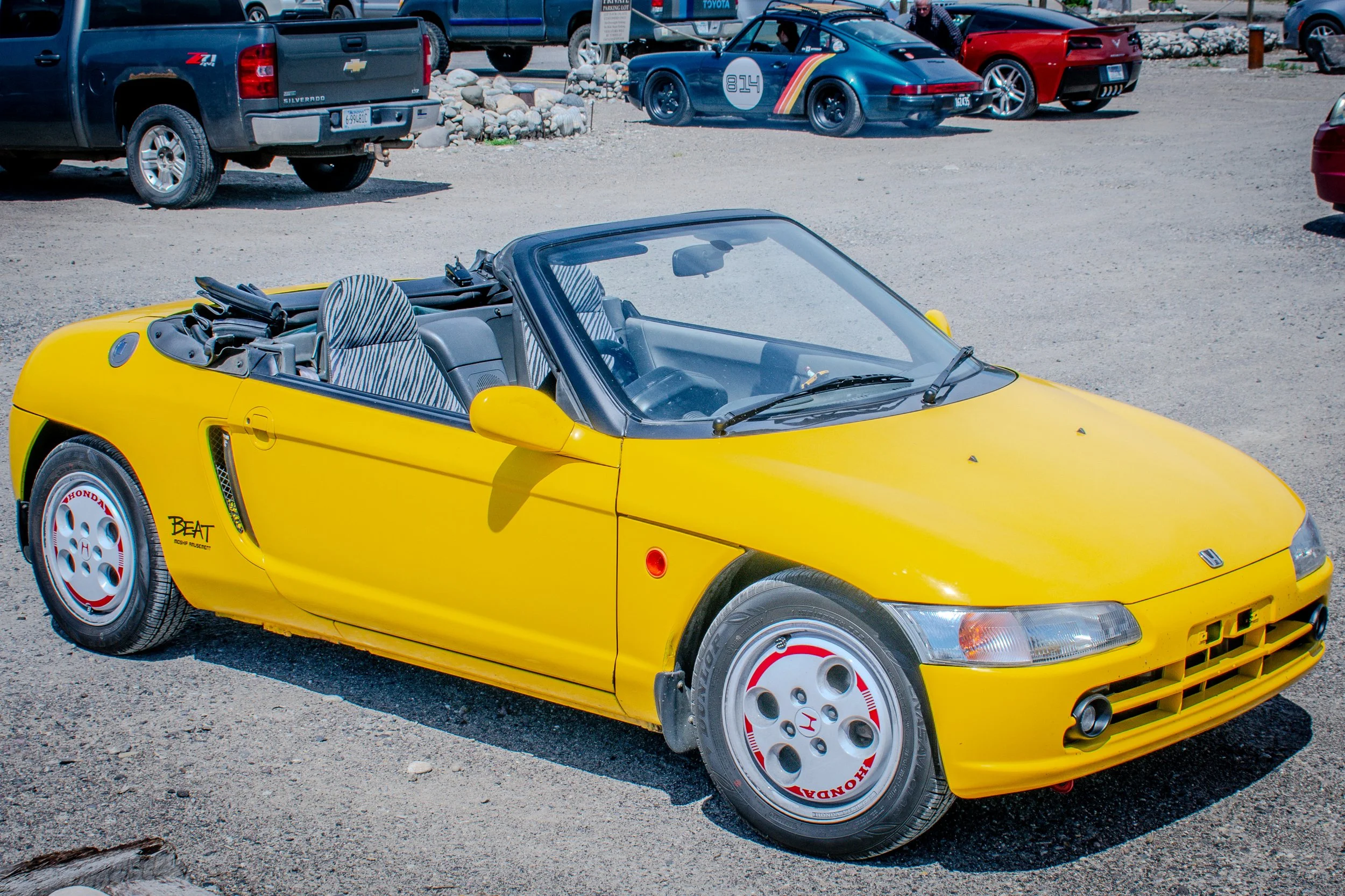
The Beat immediately drew attention because almost nothing else looks like it. Built for the Japanese kei-car market, it is tiny even by 1990s sports-car standards. Its mid-mounted 656cc three-cylinder engine produces only a fraction of the power available from the surrounding cars, but the Beat has never been about numbers. It is about light weight, open-air driving, mechanical simplicity and using every bit of performance the car has to offer.
That made it one of the most honest cars in the parking lot.
People gathered around it, took photographs and asked questions. For many, it was likely their first time seeing a Honda Beat in person. The car’s proportions take on an entirely different character when it is parked beside a 911 or Corvette. The top of the Beat barely reaches the beltline of some modern performance cars, and its wheels look almost comically small by current standards.
But the little Honda carried itself with confidence. Bright yellow paint, white wheels and a compact mid-engine profile gave it more visual presence than its dimensions had any right to provide.
It also represented something important about the event: interesting does not always mean expensive, powerful or fast.
The Beat was never going to win a horsepower contest against the C8 Corvette. It could not match the Subaru’s all-wheel-drive capability, the Challenger’s V-8 torque or a Porsche 911’s high-speed composure. Yet it earned attention simply by being rare, cheerful and completely committed to its own peculiar mission.
In a gathering built around distinctive cars and the people who drive them, the Beat belonged.
More Than a Starting Line
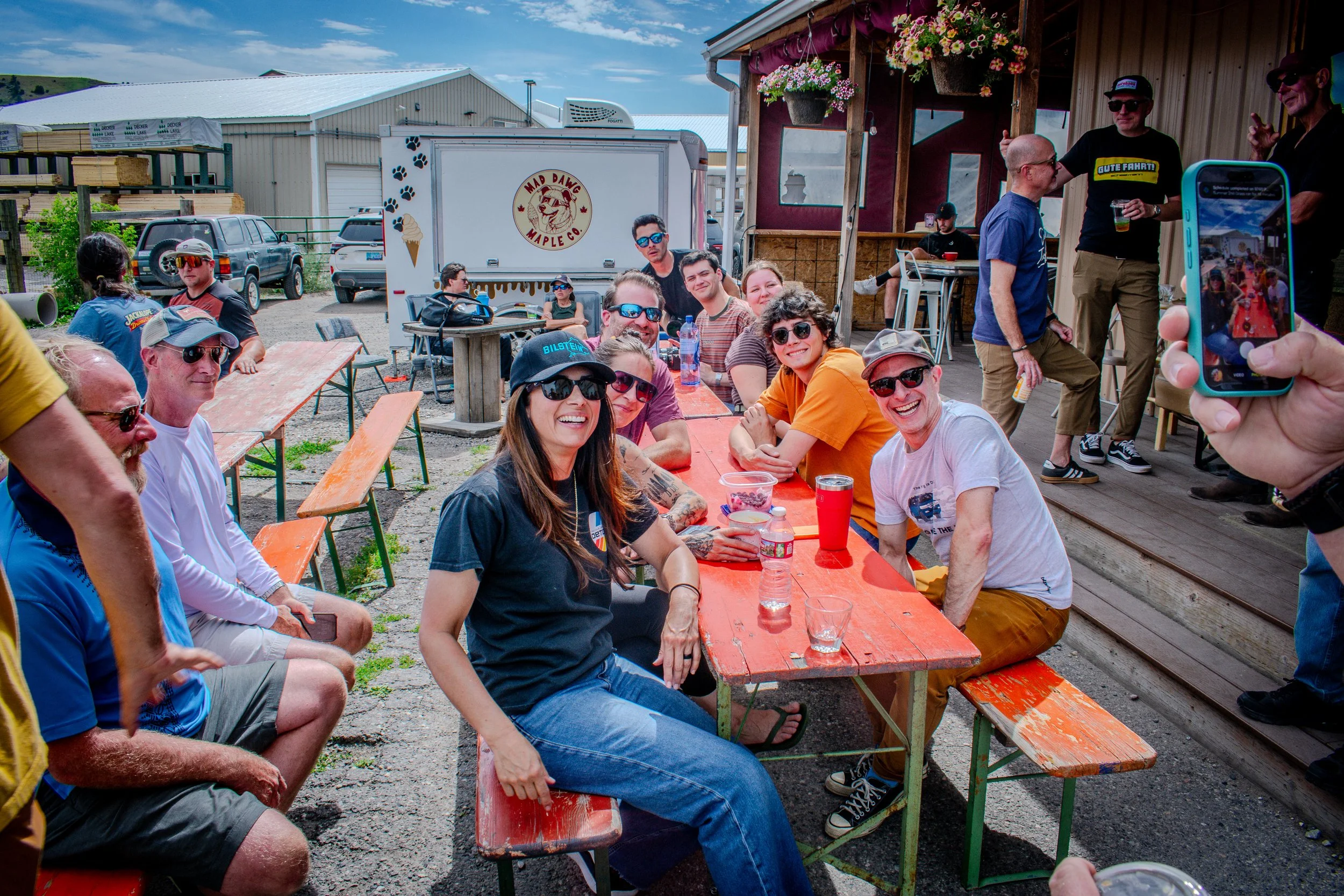
Roly-Poly Coffee Co. made a fitting location for the send-off. The gathering felt relaxed and welcoming, with drivers and spectators moving between the cars, drinking coffee and talking about the road ahead.
There was no velvet rope separating owners from onlookers and no pressure for every car to be flawless. The rally builds wore their auxiliary lights, roof racks and off-road tires proudly. The sports cars looked ready to add miles rather than collect trophies. People leaned against tables, laughed with friends and enjoyed the rare opportunity to see so many different kinds of enthusiast cars gathered in one place.
That communal atmosphere is a central part of the Jackalope Drivers Club’s identity: good cars are important, but good people are what turn a drive into an event. The club promotes its gatherings around “incredible roads, unique cars, and even better people,” and the Roly-Poly send-off delivered all three before the rally had officially begun. Jackalope Drivers Club
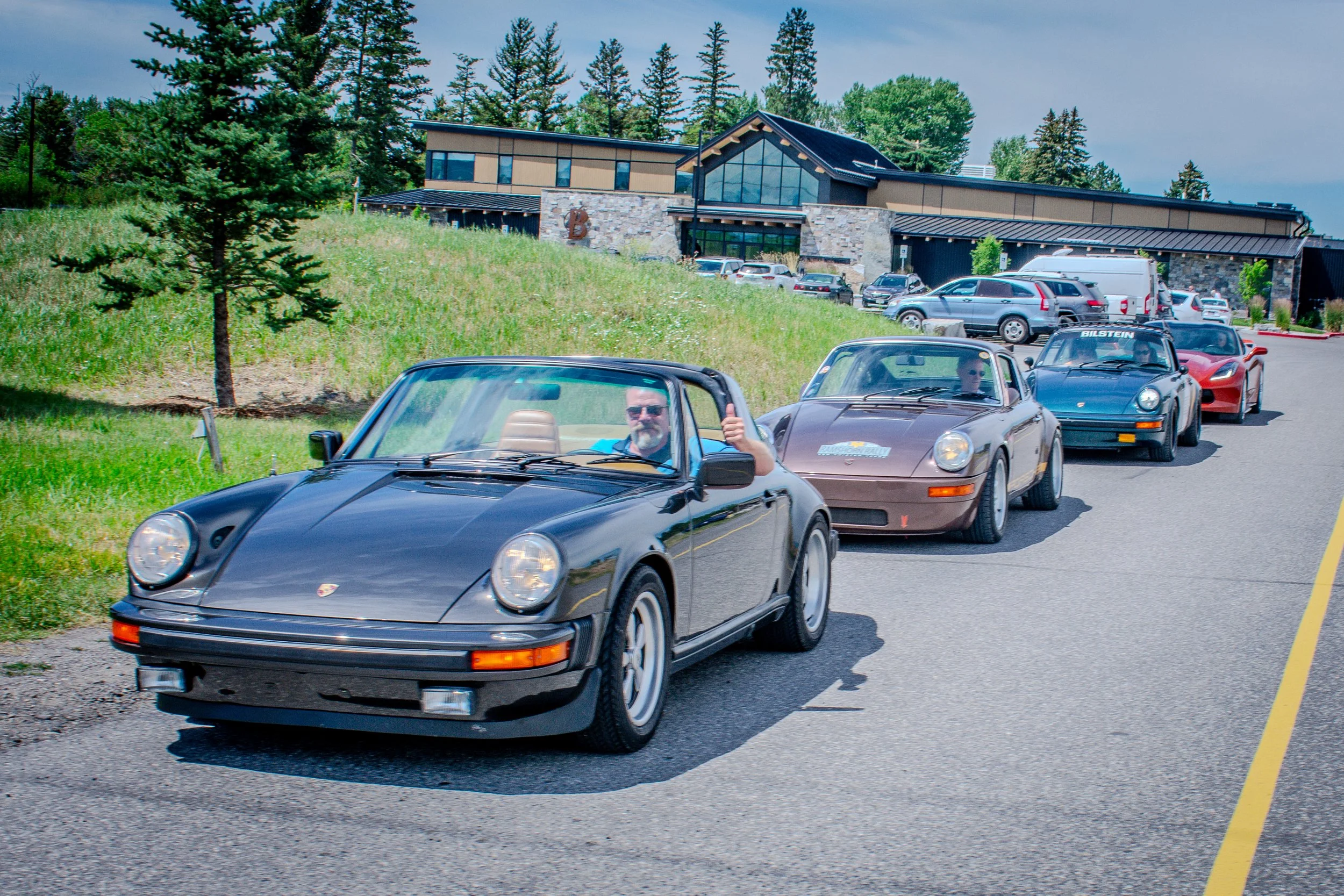
Eventually, coffee cups emptied, conversations wrapped up and drivers began making their final checks. Bags were secured, route information was reviewed and engines started coming to life across the lot.
One by one, the cars pulled away from Roly-Poly and began the trip toward Virginia City.
On to Virginia City
Virginia City was more than a scenic destination for the weekend. The historic mining town served as the base for the Vigilante 77 Rally, bringing the entire group back together after each day on the road.
The rally featured separate road and dirt experiences. The road route was designed around Montana’s scenic highways, mountain passes and long stretches of pavement, while the dirt group headed toward rugged back roads, rivers and remote mountain terrain. Both routes shared the same basic purpose: spend the day driving memorable cars through memorable places, then return to town and swap stories about everything that happened along the way. Southwest Montana tourism listing
The club’s arrival also provided meaningful support for Virginia City. Approximately 80 people and 35 cars reportedly participated, bringing visitors into the town’s hotels, restaurants and local businesses during a difficult tourism season. MTN News
That gives the rally a purpose beyond simply enjoying the roads. It connects Montana’s car community with the small towns that make driving through the state so memorable.
Virginia City—with its preserved buildings, mining history and unmistakable Old West character—was an ideal destination for a rally called Vigilante 77. Even the name draws from Montana’s frontier mythology and the mysterious 3-7-77 symbol historically associated with the Montana Vigilantes.
There may be no better backdrop for a group called the Jackalope Drivers Club: a legendary Western town, a mysterious set of numbers and a collection of cars heading into the mountains in search of adventure.
Good Roads, Good People and a Little Frontier Mischief
The Roly-Poly gathering lasted only a small portion of the weekend, but it established the character of everything that followed.
The cars were serious without the event taking itself too seriously. A Dodge Challenger could share a parking lot with a GR Corolla. Modern Corvettes and water-cooled 911s could line up alongside air-cooled Porsches, a Mercedes wagon and a 656cc Honda Beat.
Every car approached the same assignment differently—and that was the point.
By the time the group headed south toward Virginia City, the Vigilante 77 Rally had already produced one clear winner. It wasn’t the most powerful, most expensive or most extensively modified car in attendance.
It was the tiny yellow Honda Beat that made nearly everyone stop, smile and take a closer look.
Not bad for a car small enough to hide behind the coffee counter.